
Cannabis, Reimagined Understanding the Real Economics Behind the Plant
South Africa’s cannabis conversation has changed dramatically over the last decade. What was once spoken about quietly is now discussed openly in homes, boardrooms, policy circles, wellness communities, and entrepreneurial spaces across the country.
Since the landmark 2018 Constitutional Court ruling and the implementation of the Cannabis for Private Purposes Act (2024), adults in South Africa can legally cultivate and possess cannabis privately within defined limits. Yet despite these legal shifts, the commercial buying and selling of cannabis remains restricted, creating a complex grey market ecosystem that continues to evolve in 2026.
That complexity raises one simple question almost everyone asks at some point
“What does a gram of cannabis actually cost in South Africa today?”
The answer is far more nuanced than a simple price tag. A gram of cannabis can cost as little as R15 for low cost outdoor flower or exceed R250+ per gram for premium indoor grown products with highly sought after genetics and terpene profiles.
The reasons behind those differences reveal something much bigger than cannabis pricing alone. They expose the realities of cultivation, electricity costs, climate challenges, consumer education, legality, and the future direction of one of the fastest growing industries on earth.
This guide explores the real world economics behind cannabis in South Africa in 2026, from production methods and regional pricing differences to global comparisons, grower costs, quality markers, and the future of legalization.
This article is educational only and does not promote illegal activity. Its purpose is to help modern consumers better understand the rapidly changing cannabis landscape in South Africa.
Cannabis Prices in South Africa in 2026
Cannabis prices in South Africa vary significantly depending on:
- cultivation method,
- quality,
- freshness,
- location,
- strain genetics,
- curing process,
- and sourcing method.
Based on widespread grey market observations across major metros and cultivation regions in 2025 and 2026, the following pricing ranges are commonly seen:
| Growing Method | Typical Price per Gram (ZAR) | Characteristics |
| Outdoor (Sun Grown) | R15 – R60 | Seasonal, earthy profiles, traditional landrace influence |
| Greenhouse | R40 – R120 | Better consistency, balanced quality and affordability |
| Indoor | R100 – R250+ | Dense buds, strong terpene preservation, year round quality |
| Hydroponic / Aeroponic Premium | R180 – R300+ | High input cultivation with optimized environmental control |
| Medical/Prescription Flower | R180 – R350+ | Lab tested, regulated, imported or pharmaceutical grade |
Bulk purchasing typically lowers the effective per gram cost considerably. Consumers buying 10g, 28g (“ounces”), or larger quantities generally pay substantially lower rates compared to single gram purchases.
Geography also plays a major role. Prices are usually lower near traditional cultivation areas such as the Eastern Cape and KwaZulu-Natal, while premium urban markets in Cape Town, Johannesburg, and parts of the Garden Route often command significantly higher prices due to demand, logistics, branding, and consumer expectations.
The modern cannabis market is no longer driven purely by potency. Increasingly, consumers are paying for:
- cleaner cultivation,
- terpene richness,
- curing quality,
- visual appeal,
- genetics,
- consistency,
- and trust.
That shift mirrors trends already seen in mature international cannabis markets.
Why Cannabis Prices Differ So Much
One of the biggest misconceptions surrounding cannabis is the idea that high prices are arbitrary. In reality, producing quality cannabis especially consistently can be extremely expensive.
The cultivation method has the biggest influence on price.
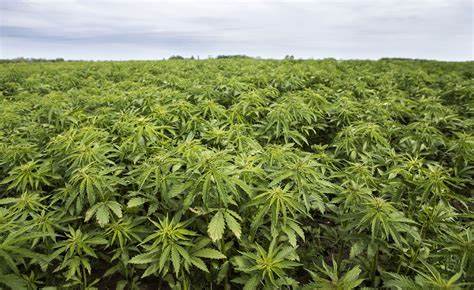
Outdoor Cannabis: The Lowest Production Costs
Outdoor cannabis remains the most affordable category because nature handles much of the workload. Sunlight is free, rain reduces irrigation needs, and growers can utilize natural soil ecosystems rather than expensive synthetic systems.
Traditional outdoor cultivation regions in South Africa have produced cannabis for generations. Areas in the Eastern Cape and KwaZulu-Natal possess climates highly suited to cannabis growth, allowing experienced growers to cultivate large quantities at relatively low cost.
Outdoor cannabis often carries:
- earthy terpene profiles,
- looser bud structures,
- seasonal variability,
- and greater natural diversity.
While some consumers associate outdoor flower with lower quality, properly grown sun grown cannabis can produce excellent terpene richness and highly enjoyable effects at exceptional value.
Greenhouse Cannabis: The Middle Ground
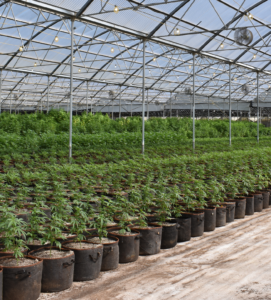
Greenhouse cultivation has become increasingly popular in South Africa because it balances affordability with improved environmental control.
Greenhouses allow growers to:
- protect crops from severe weather,
- reduce pest exposure,
- extend growing seasons,
- and improve consistency.
Unlike fully indoor cultivation, greenhouse systems still leverage natural sunlight, dramatically reducing electricity costs.
This creates a strong middle tier market where consumers can access:
- cleaner flower,
- better visual quality,
- improved terpene retention,
- and more reliable potency,
without paying premium indoor prices.
Many experts believe greenhouse cultivation may ultimately become South Africa’s dominant large scale cultivation model due to the country’s abundant sunlight and ongoing electricity challenges.
Indoor Cannabis: Why Premium Flower Costs More
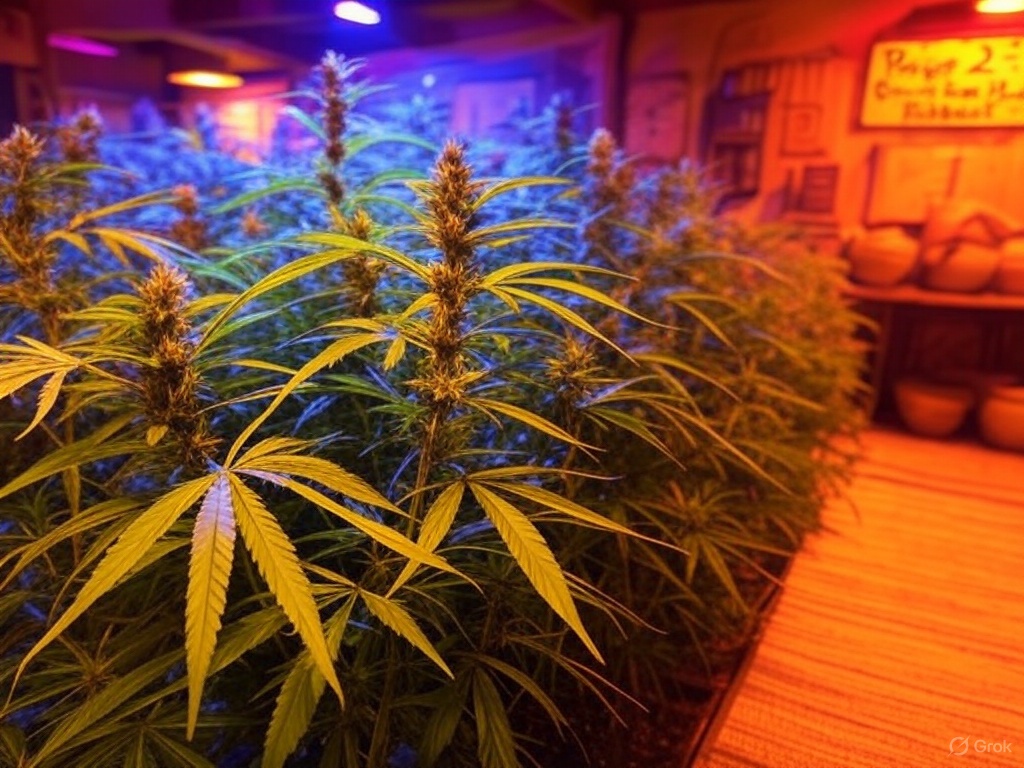
Indoor cannabis sits at the top of the pricing spectrum for one major reason:
Environmental control
Indoor growers attempt to create perfect growing conditions 365 days a year. That means controlling:
- light intensity,
- humidity,
- airflow,
- CO₂ levels,
- nutrient delivery,
- irrigation,
- and temperature.
The cost structure becomes enormous very quickly.
Estimated Indoor Grow Expenses in South Africa
| Expense | Approximate Cost |
| LED Grow Lights | R2,000 – R40,000+ |
| Electricity (no solar?) | R1,500 – R15,000/month |
| Climate Control Equipment | R2,000 – R20,000 |
| Nutrients & Supplements | R1,000 – R5,000/month |
| Water Filtration | R500 – R2,000 |
| Backup Power/Inverters | R10,000 – R100,000+ |
| Genetics/Seeds | R500 – R10,000+ |
South Africa’s load shedding crisis has intensified these expenses dramatically. Indoor growers increasingly rely on:
- inverters,
- batteries,
- generators,
- and solar systems
to protect crops from environmental instability during power cuts.
A failed climate cycle can destroy an entire harvest within days through:
- mould,
- heat stress,
- pest outbreaks,
- or hermaphroditic flowering.
When consumers pay premium prices for indoor flower, they are often paying for the grower’s infrastructure, risk, expertise, and consistency.
The Real Cost of Quality Cannabis
Many first time consumers focus almost entirely on THC percentages or visual appearance. Experienced users, however, increasingly evaluate cannabis based on overall quality.
That includes:
- terpene complexity,
- curing quality,
- smoothness,
- cleanliness,
- freshness,
- and effect profile.
Why Curing Matters
One of the least understood aspects of cannabis quality is curing.
After harvest, cannabis must be dried and cured slowly under controlled conditions to:
- reduce chlorophyll,
- preserve terpenes,
- improve smoothness,
- and stabilize moisture levels.
Proper curing can take several weeks or even months.
Rushed curing often results in:
- harsh smoke,
- grassy aromas,
- poor flavor,
- and reduced overall experience.
A carefully cured batch requires:
- storage space,
- labor,
- monitoring,
- humidity management,
- and time.
That additional investment contributes heavily to premium pricing.
How to Identify High Quality Cannabis
Modern cannabis consumers are becoming significantly more educated. Price alone no longer guarantees quality.
Here are some key markers experienced users look for:
| Quality Indicator | What It Suggests |
| Strong Aroma | Rich terpene profile |
| Visible Trichomes | Resin production and potency |
| Sticky Texture | Freshness and proper curing |
| Clean White/Grey Ash | Better flushing and curing |
| Dense But Not Rock Hard Buds | Healthy cultivation balance |
| No Chemical Smell | Cleaner production |
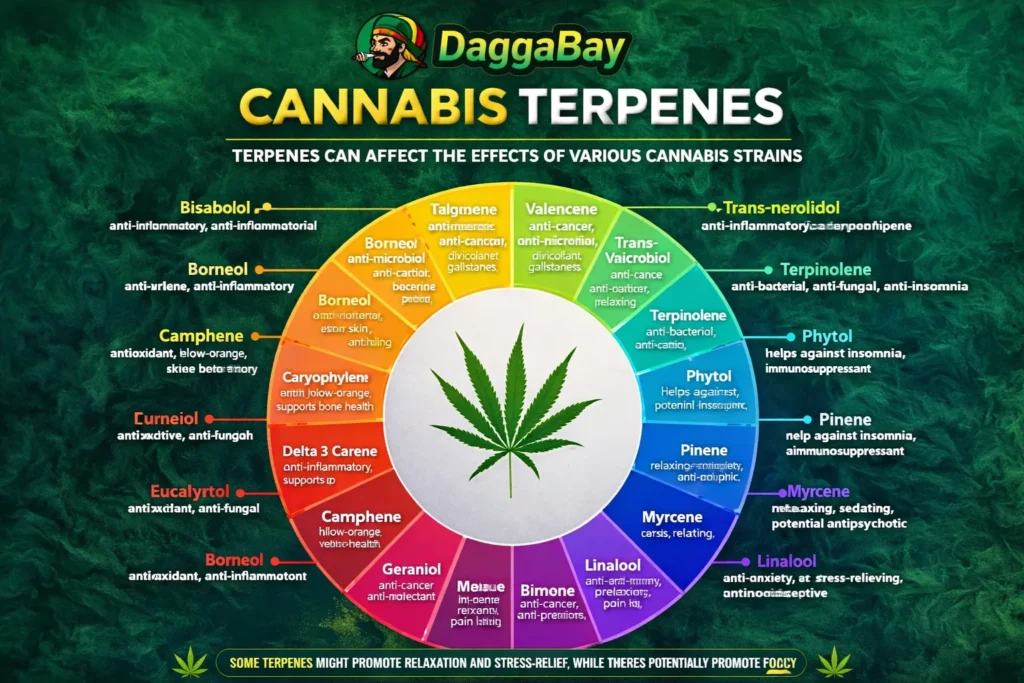
Terpenes have become particularly important in 2026 cannabis culture.
These aromatic compounds influence:
- flavor,
- smell,
- and potentially the overall subjective experience.
Examples include:
- Limonene → citrus aromas,
- Pinene → pine scents,
- Myrcene → earthy/herbal profiles,
- Caryophyllene → peppery spice notes.
South Africa’s traditional landrace genetics, especially Durban Poison related lineages, remain globally respected for their distinctive terpene characteristics.
The Hidden Risks Behind Extremely Cheap Cannabis
Low prices may sometimes reflect lower production costs, but they can also indicate quality or safety concerns.
Consumers increasingly worry about:
- pesticide contamination,
- mould,
- synthetic additives,
- poorly flushed nutrients,
- and PGR cannabis (Plant Growth Regulators).
PGR-grown cannabis can appear unnaturally dense while lacking terpene richness and smoothness.
As consumer awareness grows, many South Africans are becoming more selective about:
- cultivation transparency,
- cleanliness,
- and sustainable growing methods.
This shift toward quality focused consumption mirrors trends seen in craft beer, specialty coffee, and organic food markets.
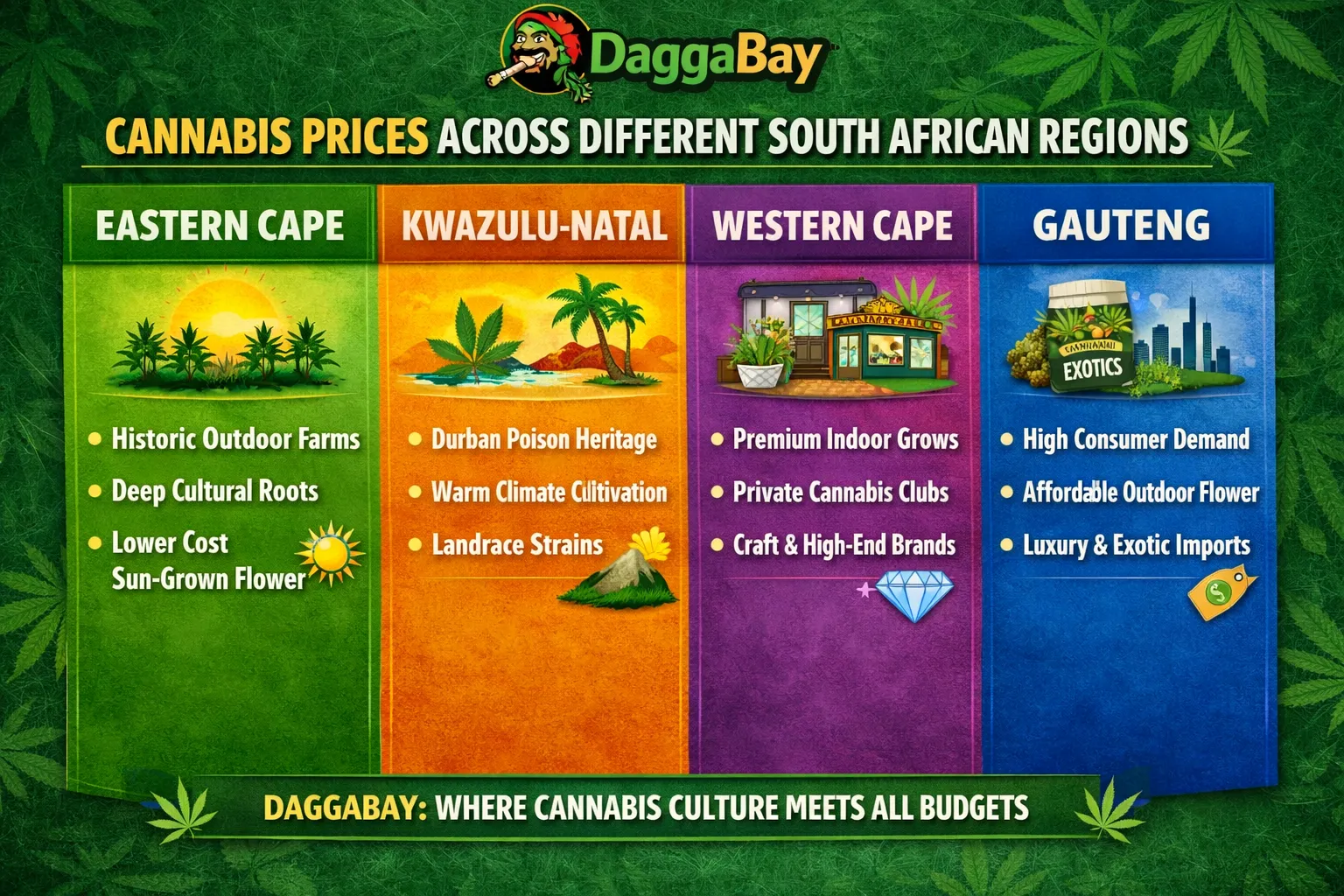
Cannabis Prices Across Different South African Regions
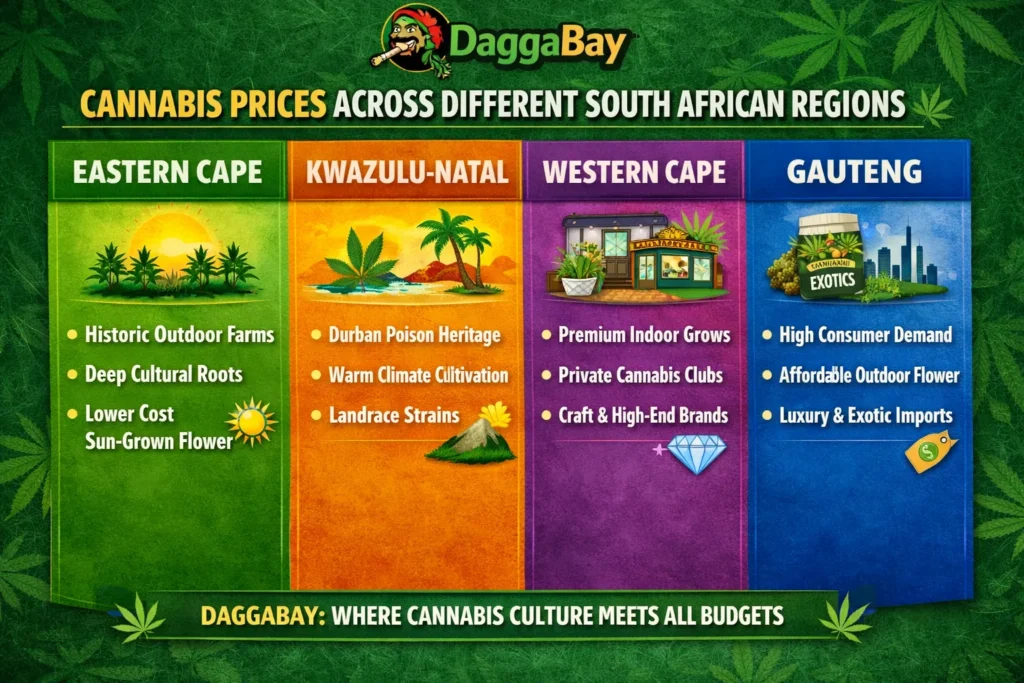
South Africa’s cannabis economy is highly regional.
Eastern Cape
The Eastern Cape remains one of South Africa’s most historically important cultivation areas. Outdoor cannabis production has deep cultural and agricultural roots here, contributing to lower average pricing for sun grown flower.
KwaZulu-Natal
KZN continues to hold strong associations with Durban Poison heritage genetics and warm-climate cultivation.
Western Cape
Cape Town has become a hub for:
- premium indoor cultivation,
- cannabis lifestyle culture,
- private clubs,
- and craft focused branding.
Prices here are often among the highest nationally.
Gauteng
Johannesburg and Pretoria possess extremely strong consumer demand, supporting a broad spectrum of pricing from affordable outdoor flower to luxury exotic imports.
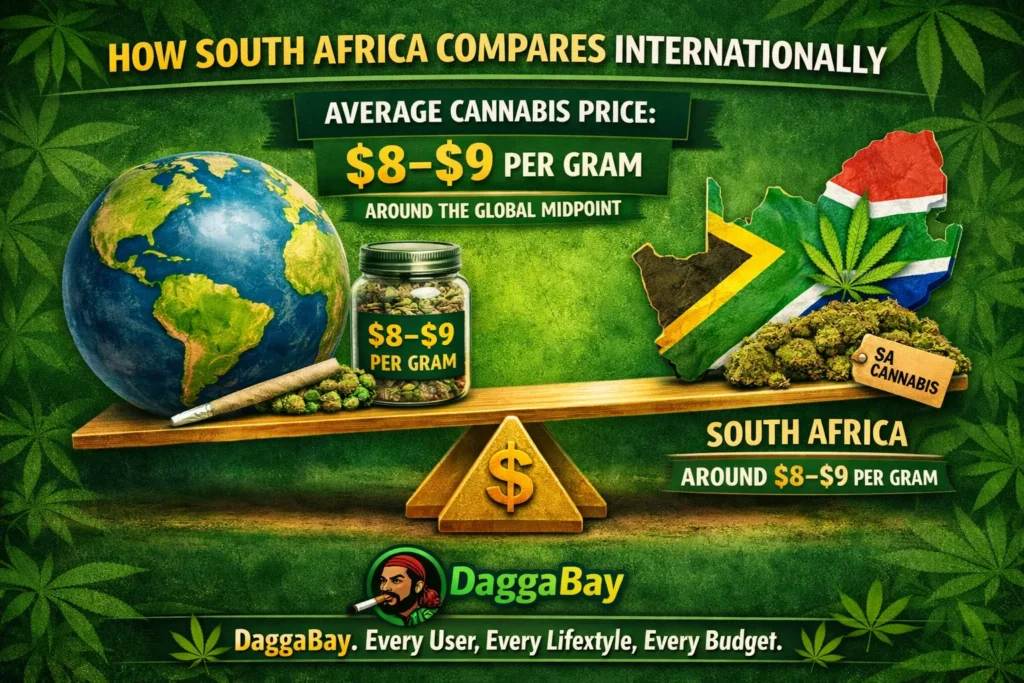
How South Africa Compares Internationally
South Africa occupies an unusual position globally.
Historical international price tracking by organizations such as the ABCD Cannabis Price Index placed South Africa near the global midpoint at approximately $8-$9 per gram during previous years.
By comparison:
| Region | Approximate Retail Price |
| South Africa | R15 – R250+ |
| Canada | R35 – R120 equivalent |
| Some US States | R40 – R150 equivalent |
| Western Europe | R150 – R350+ |
| Illegal Restrictive Markets | Often far higher |
One of the most important global trends has been price compression in legalized markets.
In parts of the United States, wholesale oversupply caused prices to collapse dramatically between 2021 and 2025.
States like Oregon and Michigan saw retail flower prices fall sharply due to intense competition and industrial scale production.
This creates an important insight for South Africa:
Legalization alone does not guarantee high prices forever.
As competition increases and regulations mature, South African cannabis prices could eventually decline substantially especially for standard commercial flower.
The Economics of Home Growing
For many South Africans, home cultivation has become increasingly attractive.
Reasons include:
- cost control,
- quality control,
- strain selection,
- and self sufficiency.
A modest outdoor grow can produce substantial quantities at very low long term cost.
Simple greenhouse tunnels are also becoming more popular because they:
- improve consistency,
- protect against weather,
- and reduce pest pressure
without requiring expensive indoor infrastructure.
Many experienced consumers argue that small scale personal cultivation produces fresher and more enjoyable flower than large commercial systems.
How Much Cannabis Users Spend Per Month
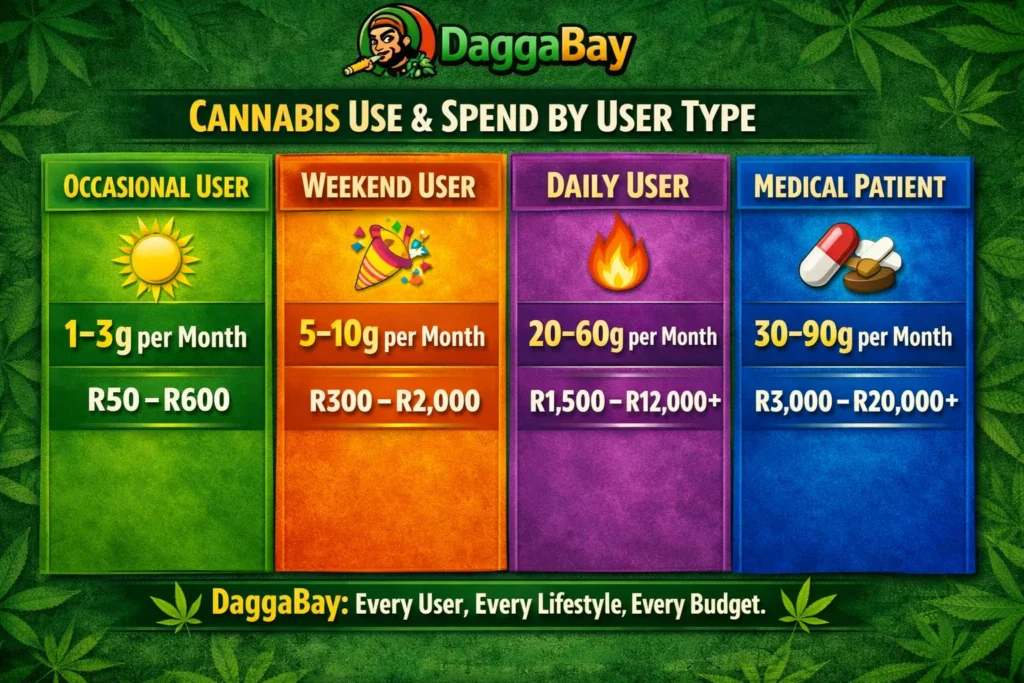
Medical users often face particularly high expenses because regulated products require.
- testing,
- compliance,
- import logistics,
- and pharmaceutical oversight.
This affordability challenge remains a major discussion point globally.
The Future of Cannabis in South Africa
South Africa’s underground and grey market cannabis economy is estimated to be worth between R28 billion and R36 billion, according to multiple industry estimates and policy discussions tied to the National Cannabis Master Plan.
The long term vision includes:
- job creation,
- rural development,
- export opportunities,
- manufacturing,
- tourism,
- and tax revenue generation.
Government planning documents and cannabis industry stakeholders have repeatedly suggested the sector could create tens of thousands of jobs if properly regulated.
The next few years will likely shape:
- licensing structures,
- commercial cultivation pathways,
- cannabis clubs,
- medical expansion,
- and export policy.
Cannabis, Lifestyle, and Cultural Change
One of the biggest shifts in modern cannabis culture is philosophical rather than legal.
Consumers increasingly view cannabis through the lens of:
- wellness,
- creativity,
- mindfulness,
- and lifestyle experience
rather than pure intoxication.
Globally, younger adults are also showing increased interest in cannabis as an alternative to alcohol heavy social culture.
This has fueled growth in:
- terpene education,
- craft cultivation,
- sustainable growing,
- and quality focused consumer behaviour.
South Africa is beginning to develop its own version of this evolution.
Final Thoughts: Understanding the Real Value Behind the Price
A gram of cannabis in South Africa in 2026 can cost almost anything from R15 to over R250 depending on:
- cultivation method,
- quality,
- region,
- genetics,
- legality,
- and production standards.
But the real story isn’t just about pricing.
It’s about an industry in transition.
South Africa stands at a unique moment where:
- traditional cultivation culture,
- global cannabis trends,
- emerging regulation,
- and modern consumer education
are all colliding at once.
The cannabis market is becoming more informed, more quality-focused, and more sophisticated every year. Understanding the economics behind the plant helps consumers make better decisions while contributing to a healthier and more transparent future industry.
At Daggabay, the focus remains clear:
Cannabis, Reimagined.
Lifestyle, Not Just The Leaf.
FAQs
Is cannabis fully legal in South Africa in 2026?
Adults may legally cultivate and possess cannabis privately within legal limits under the Cannabis for Private Purposes Act. Commercial retail sales remain restricted and regulated frameworks are still evolving.
Why is indoor cannabis so expensive?
Indoor cultivation requires expensive lighting, electricity, climate control systems, nutrients, labor, and backup power infrastructure. South Africa’s load shedding challenges further increase production costs.
Is outdoor cannabis always lower quality?
Not necessarily. Properly cultivated outdoor cannabis can offer excellent terpene profiles, enjoyable effects, and strong value. Quality depends heavily on cultivation and curing practices.
Why do cannabis prices vary between cities?
Urban demand, logistics, tourism, branding, and local cultivation access all influence pricing. Premium markets like Cape Town often command higher prices than traditional growing regions.
Could cannabis prices drop in the future?
Yes. International trends show that increased competition and larger-scale legal production often reduce prices over time, especially in mature regulated markets.