
Breakdown of Discussion and Conclusions
Key Points Discussed:
- Shift to DTIC:
- The cannabis master plan has moved from the Department of Agriculture to the Department of Trade, Industry and Competition (DTIC), signalling a focus on industrializing and commercializing the cannabis and hemp industry.
- Impact of the Hemp Ban:
- Trenton (Cheeba): The recent hemp food ban (prohibiting hemp seed oil, powder, etc., in foodstuffs) is seen as a hindrance to the DTIC’s industrialization mandate. It disrupts production and markets, especially for companies already making cannabis-related food products.
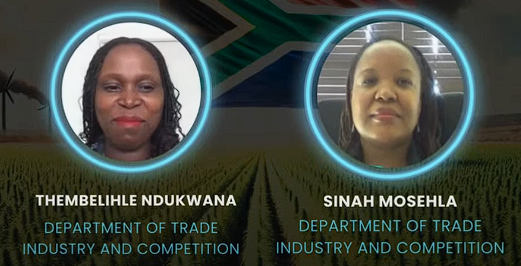
- Sinah Mosehla (DTIC): The ban forces companies to cease production due to compliance requirements, but there’s hope that the Department of Health will soon develop regulations for hemp in food, including labeling and safety standards.
- DTIC’s Role and Strategy:
- Thembelihle Ndukwana (DTIC): The DTIC aims to revive the master plan process, involving all social partners (government, industry, labour, farmers) to co-create a plan that boosts investment, manufacturing capacity, and exports. A robust regulatory framework is key.
- Collaboration with other departments (e.g., Health) and stakeholders is ongoing to develop whole-plant legislation for cannabis and hemp.
- Consumer Safety and Education:
- Sinah Mosehla: Emphasized the need for clear labelling regulations, especially for imported and local products, to ensure consumer safety and informed choices. Suggested the Department of Health create an education program for consumers.
- Progress on the Master Plan:
- Thembelihle Ndukwana: The master plan is being revived, with plans to engage industry soon. It’s not just a government document but a collaborative effort. The DTIC is developing a commercialization policy, engaging internally with Development Finance Institutions (DFIs) like the IDC and externally with banks and regulators (e.g., SABS, NFCS).
- Timeline: Trenton pressed for speed (Phakisa), referencing a promise from last year that legislation would be ready by the end of the year.
- Thembelihle confirmed they’re on track but not moving as fast as desired progress is steady, with external consultations coming soon.
- Support for Industry:
- Once the ban is lifted and regulations are set, companies can apply for DTIC funding. Additional support from DFIs and banks will be needed for larger projects (e.g., cannabis-infused food factories).
Conclusions:
- Ban’s Disruption: The hemp food ban is a setback to industrialization, halting production and creating uncertainty, though the DTIC sees it as temporary pending Health Department regulations.
- DTIC’s Commitment: The DTIC is actively reviving the master plan, focusing on collaboration and commercialization. It’s on track to finalize a policy by the financial year-end (March 2025), though not at the Phakisa pace industry wants.
- Industry Alignment: Trenton Oh **** and the DTIC share a goal of growing the sector for local farmers and revenue, with the DTIC welcoming industry support and promising outreach for co-creation.
- Next Steps: The master plan’s success hinges on resolving the ban, finalizing regulations with the Department of Health, and securing funding. External consultations are imminent, and political support (via the AMC chaired by the DTIC Minister) could unblock hurdles.
- Optimism with Caution: The DTIC’s engagement is a positive shift, but delays and the ongoing “boxing match” with the Department of Health remain challenges. The industry and DTIC are aligned, but tangible outcomes depend on faster progress.
or watch the full video below