Why Cannabis Packaging and Labelling Matter in South Africa
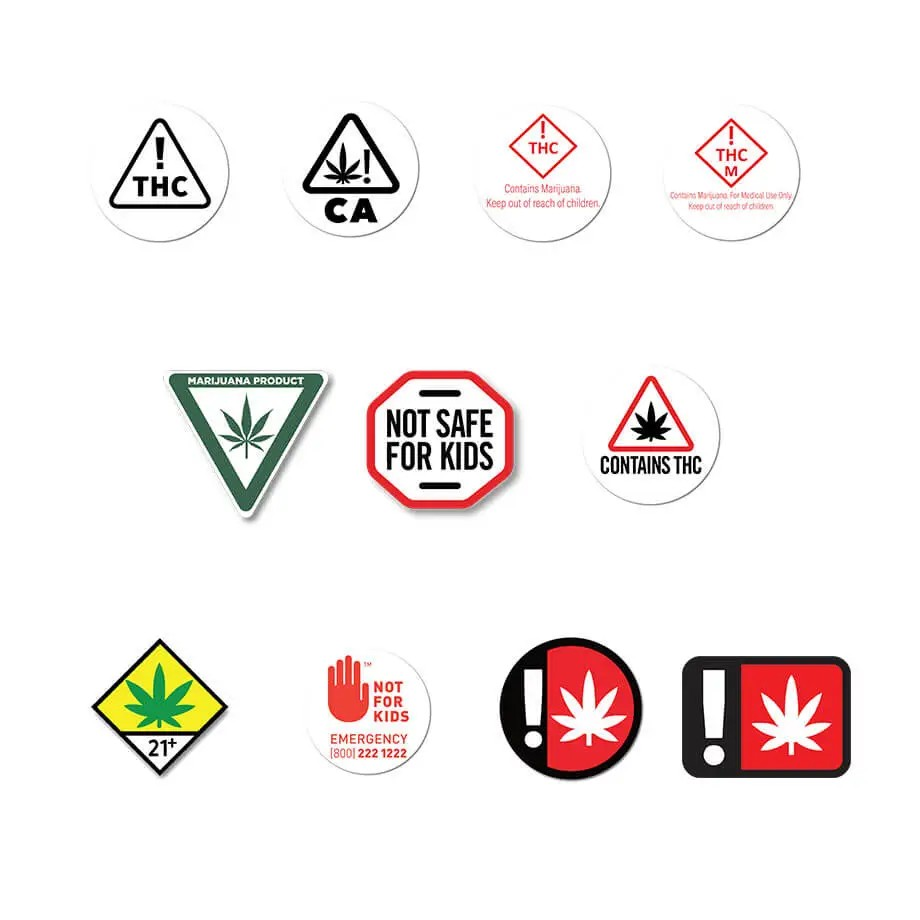
As South Africa navigates its evolving cannabis landscape, packaging and labelling are emerging as critical pieces of the puzzle.
With the Department of Health’s recent ban on cannabis and hemp in foodstuffs (gazetted March 7, 2025), and the Cannabis for Private Purposes Act signed in May 2024, the country is at a crossroads.
While personal use is decriminalized and medicinal cannabis is regulated, the rules around how cannabis products especially edibles are packaged and labelled remain murky. Good packaging isn’t just about aesthetics; it’s about safety, compliance, and education especially for a nation where cannabis is shedding its stigma but still carries risks, particularly for kids.
New regulations are likely on the horizon, driven by the South African Health Products Regulatory Authority (SAHPRA) and public health concerns.
What could these rules look like? How might they shape the industry? And what can South Africa learn from global examples?
New Cannabis Regulations in South Africa A Safety First Approach?
The Health Department’s food ban signals a broader push to control cannabis products, especially edibles that could end up in the wrong hands like kids’.
SAHPRA, tasked with regulating medicinal cannabis, might extend its oversight to packaging and labelling for all cannabis goods, not just medical ones.
The goal? Minimize accidental ingestion, ensure clear information, and align with international standards.
What Could Be Required on Labels?
- Cannabinoid Content: THC and CBD levels (e.g., “Contains 10 mg THC per serving”) to inform users of potency.
- Serving Size: Clear instructions like “One serving = 5 mg THC” to prevent overconsumption.
- Ingredients List: Full disclosure of what’s inside, especially for edibles, to flag allergens or additives.
- Batch Number: For traceability, ensuring quality control and recall efficiency.
- Manufacturer Info: Contact details for accountability.

Warning Signs to Look Out For
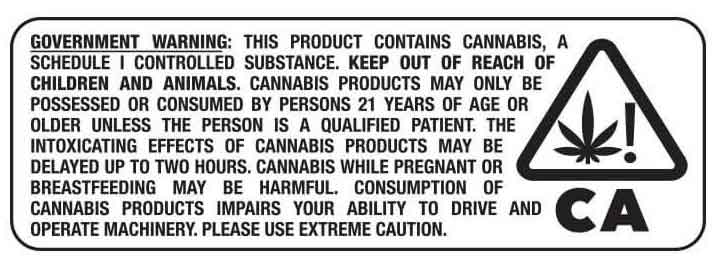
- “Keep Out of Reach of Children” With rising concerns, this one is absolutely essential.
- “May Impair Driving or Machinery Use” A crucial reminder to prioritize public safety.
- “Delayed Effects: Wait 1-2 Hours” Especially important for edibles, where the onset isn’t immediate.
These labels would reflect the Health Department’s commitment to safeguarding vulnerable groups while empowering users with the knowledge to make responsible decisions.
For a country still navigating cannabis’s role in society, clear and informative labelling is a vital step forward.

South Africa’s cannabis journey is just beginning, and packaging and labelling will be key to its success.
New regulations could mean safer products, informed users, and a thriving industry if done right.
We don’t know for sure what will happen.
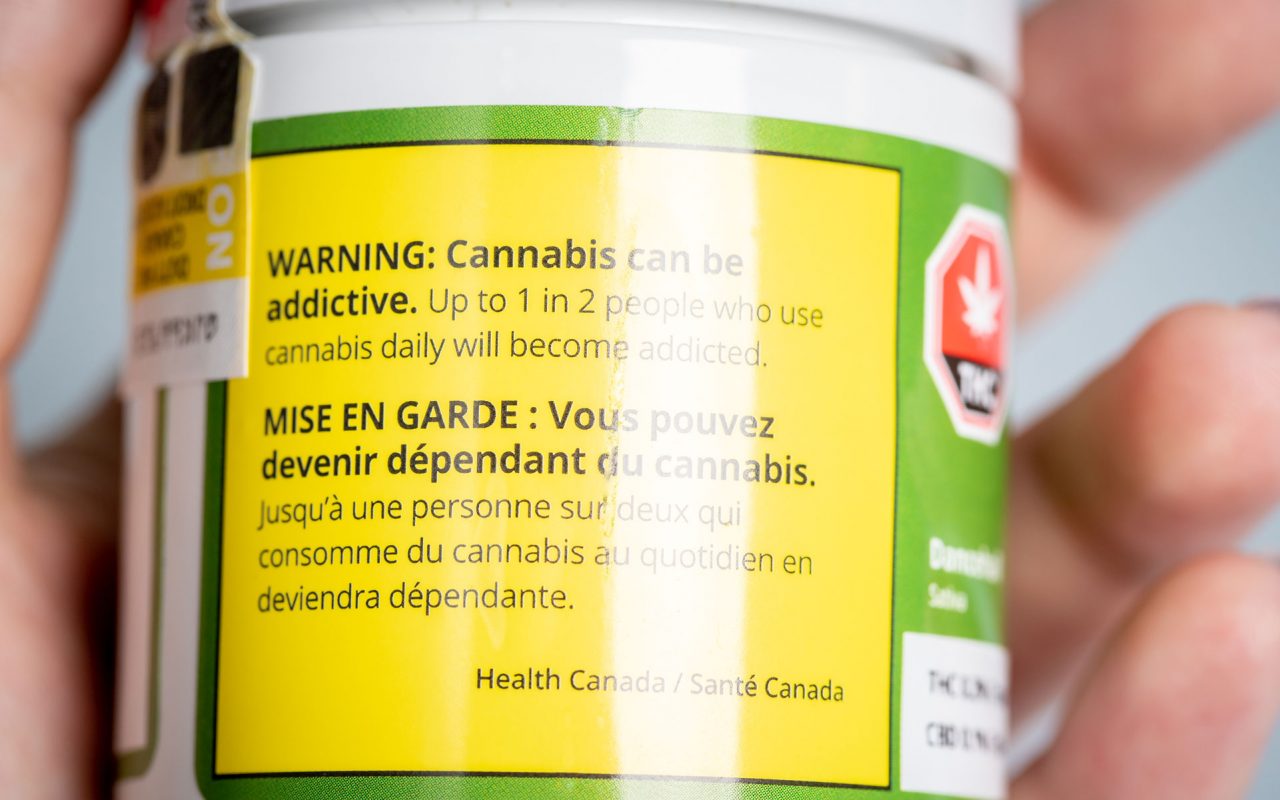
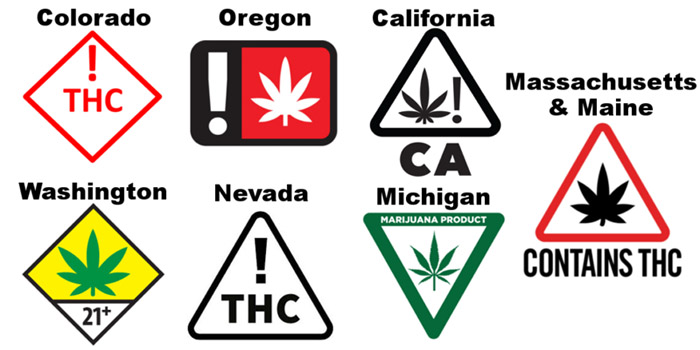
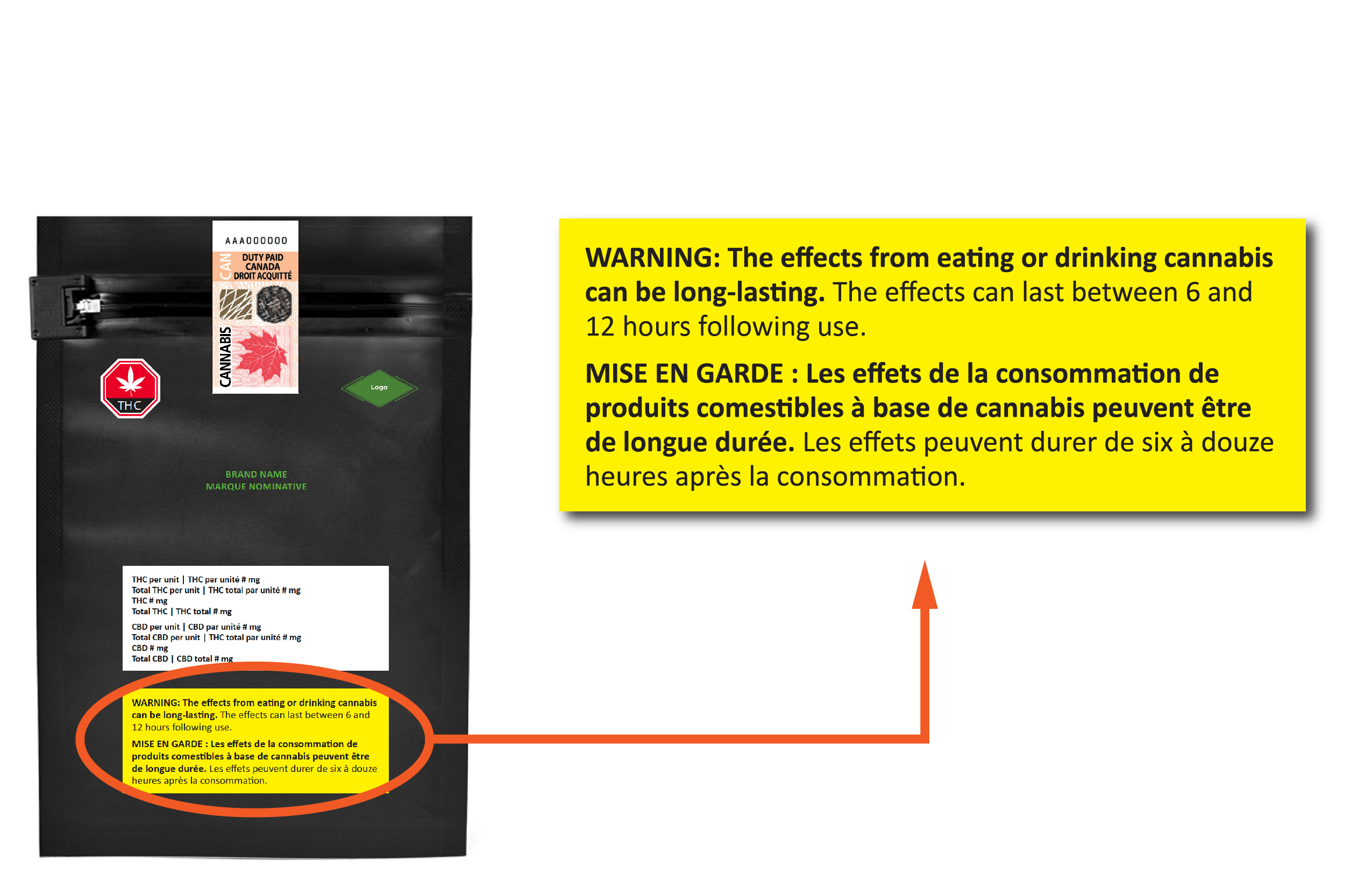
What we’ve explored here borrowing from Canada’s clarity, the U.S.’s detail, and Australia’s precision is just an idea of what we might expect based on what other countries are doing.
The real rules are still taking shape, so businesses and consumers should stay tuned.
How cannabis is packaged could define how it’s perceived and we’re all part of figuring that out.
Got thoughts on what South Africa’s cannabis labels should say? Drop a comment below we’re all learning together!
💚

