

Cannabis Survey South Africa | The State of the Leaf 2026 and the Future of Cannabis Voices
The Cannabis Survey South Africa is becoming one of the most important tools for understanding how real people across the country experience cannabis, its laws, and its evolving industry. As legalization discussions continue to grow, the need for structured, community driven data has never been greater.
We acknowledge that, under current South African law, none of the ideas discussed here whether cannabis dispensaries, private clubs, or expanded grow limits are yet legally possible. According to the latest draft of the Cannabis for Private Purposes Act, these matters remain in a grey zone, with regulations still unsettled and subject to interpretation. Our survey/discussion is therefore exploratory, reflecting community hopes and ongoing debates rather than established legal rights.
The Cannabis Survey South Africa is not just another poll.
It represents a shift from informal opinions to structured insights that can influence policy, business decisions, and public understanding. The State of the Leaf 2026 initiative aims to capture those voices in a meaningful, data driven way.
The Cannabis Survey South Africa could emerging as one of the most important community driven research efforts in the country. It aims to document real experiences from cannabis users, growers, and supporters across different regions and social backgrounds.
For decades, cannabis conversations in South Africa happened in private spaces never fully captured in structured data. The Cannabis Survey South Africa now brings those conversations into a unified national picture.
Why the survey exists
The main reason behind the survey is simple: decision makers need real data, not assumptions. Without structured insights, laws and policies risk missing the lived reality of ordinary people.
Here are 7 critical truths this Cannabis Survey South Africa is trying to uncover:
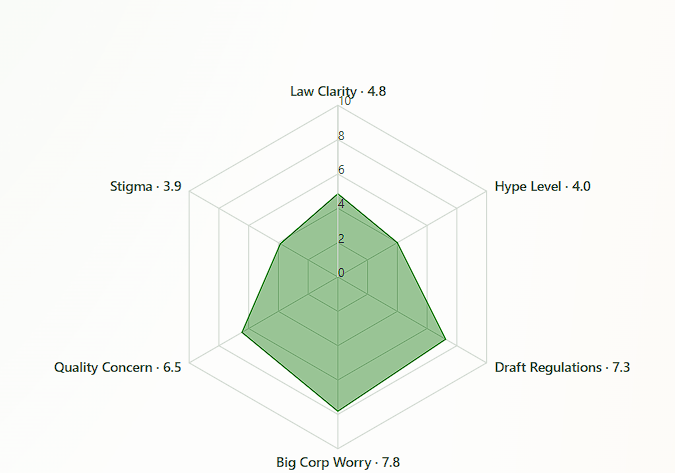
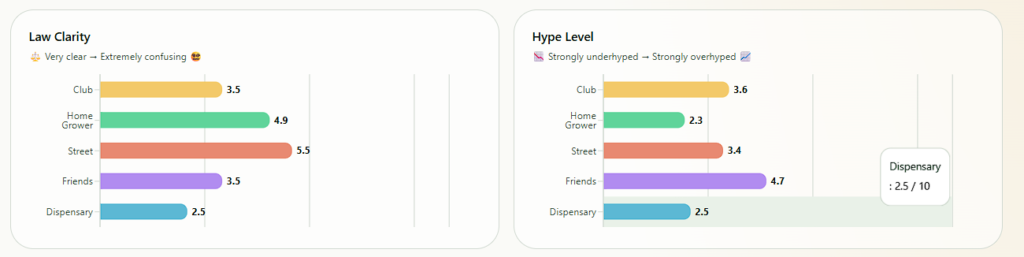
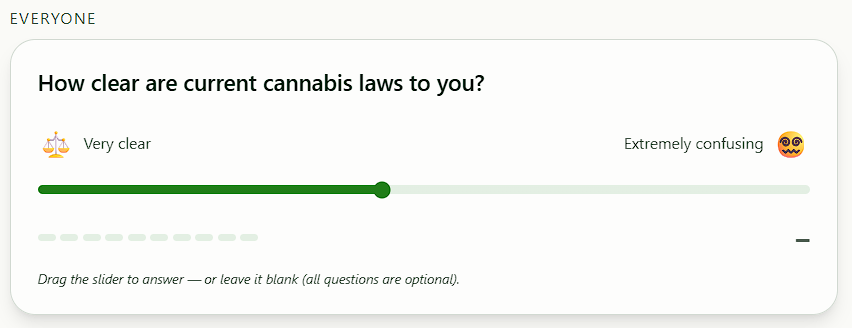
1. Legal Confusion is Still Widespread Many users still don’t fully understand what is legal and what isn’t. This Cannabis Legalization Survey South Africa will show how clear (or unclear) the current laws actually are to everyday people.
2. Fear of Corporate Takeover is Real A major concern we’re measuring is whether small growers and traditional users believe big companies will dominate the industry and push smaller players out.
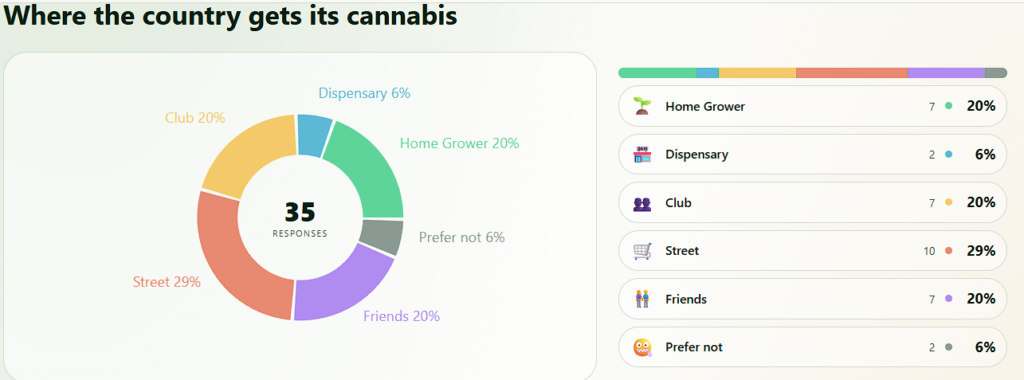
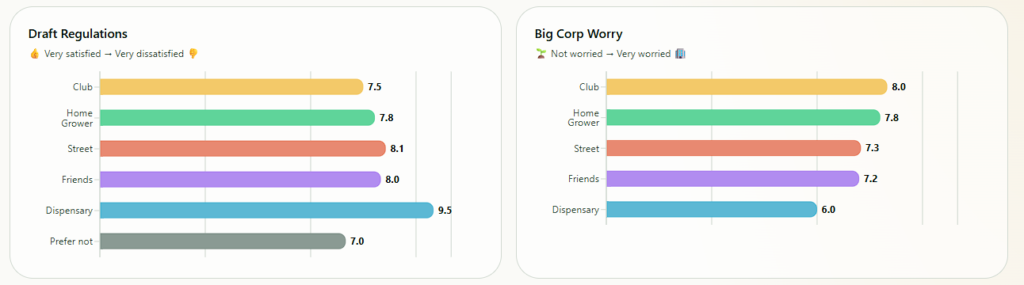
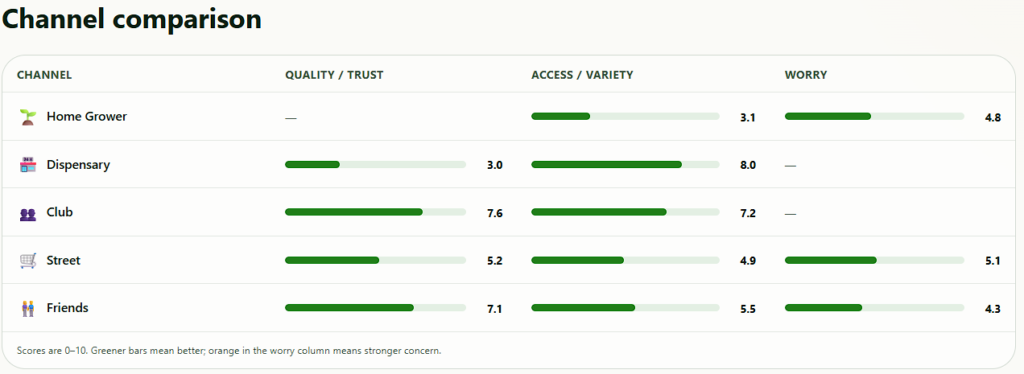
3. Different Users Have Very Different Experiences Home growers, cannabis club members, street buyers, dispensary users, and those who get cannabis from friends all face different realities. This survey deliberately compares these groups.
4. Quality and Trust Vary Massively The survey asks how much people trust the quality from different sources. Early results already show big differences between clubs and legal dispensaries.
5. The Proposed Regulations Are Not Popular We are directly measuring satisfaction with the latest draft regulations, including possession limits and plant numbers. Early data suggests widespread dissatisfaction.
6. Stigma Still Exists in 2026 Even today, many users still feel a level of shame or fear. Understanding the current state of stigma is crucial for real progress.
7. The Cannabis Community Wants to Be Heard This is not just another poll. We want this Cannabis Survey South Africa to become an ongoing national project. We are open to suggestions if the community feels we missed important questions, we want to know so future versions can be even better.
Historical silence around cannabis voices
Even though cannabis has deep cultural, medicinal, and recreational roots in South Africa, public data about its use has been limited. This silence created gaps between users and policymakers that are only now starting to close.
The Purpose of State of the Leaf 2026
The State of the Leaf 2026 initiative is the foundation behind the Cannabis Survey South Africa.
Moving from opinions to data
From Hidden Conversations to National Data
For too long, government officials and regulators have had to rely on assumptions or isolated opinions. This Cannabis Survey South Africa aims to change that by giving the cannabis community a proper collective voice.
We hope the results will help create better, more realistic policy that actually serves the people who use, grow, and depend on cannabis across the country.
Instead of relying on scattered opinions, the survey collects structured responses. This allows patterns to emerge showing how people actually experience cannabis in everyday life.
Bridging gap between users and policymakers
One of the biggest goals is to ensure that lawmakers understand the real impact of cannabis regulation on users, growers, and small businesses.
Cannabis Legalization Survey South Africa Context
The Cannabis Survey South Africa also fits into the broader conversation around legalization.
Current legal framework
South Africa currently allows limited personal use and cultivation, but commercial frameworks are still evolving. This creates confusion among users and businesses alike.
Gaps in regulation
Many questions remain unanswered:
- What defines legal commercial participation?
- How are small growers protected?
- What role do cannabis clubs play?
Key Questions in the Survey
Every question in the Cannabis Survey South Africa is designed to uncover real world insights.
Law clarity and public understanding
Many users are still unsure about what is legally allowed. This uncertainty directly impacts behavior and safety.
Commercialization concerns
A major concern is whether large corporations will dominate the market once full commercialization is introduced.
Small growers vs big industry
Another important issue is whether small scale growers will survive in a regulated market or be pushed out by larger companies.
South Africa Cannabis Survey 2026 Insights
The South Africa Cannabis Survey 2026 component focuses on user diversity.
User group segmentation
Different groups experience cannabis in different ways.
Home growers
These users prioritize independence and quality control.
Club members
Cannabis clubs provide shared cultivation systems and regulated access.
Informal market users
This group relies on traditional supply chains and community based access.
Economic Impact of Cannabis in South Africa
Cannabis has the potential to significantly influence South Africa’s economy.
Job creation potential
Legal cannabis markets could generate thousands of jobs in agriculture, logistics, retail, and compliance.
Agricultural transformation
Small scale farmers could benefit from entering a regulated cannabis economy, especially in rural areas.
Social and Cultural Perspectives
Cannabis in South Africa is not just economic it is deeply cultural.
Traditional use of cannabis
In many communities, cannabis has been used for generations for medicinal and spiritual purposes.
Stigma and perception
Despite its widespread use, stigma still exists, affecting how openly people participate in surveys like the Cannabis Survey South Africa.
Industry Risks and Opportunities
Corporate takeover fears
Many fear that commercialization may favor large corporations over community growers.
Quality vs commercialization
There is ongoing debate about whether industrial production will reduce product quality or improve consistency.
Importance of Community Participation
Why every voice matters
The strength of the Cannabis Survey South Africa depends on participation from all types of users.
Data accuracy and representation
The more people participate, the more accurate and representative the findings become.
State of the Leaf 2026 Methodology
Survey structure
The survey includes structured questions designed to capture both quantitative and qualitative data.
Data collection approach
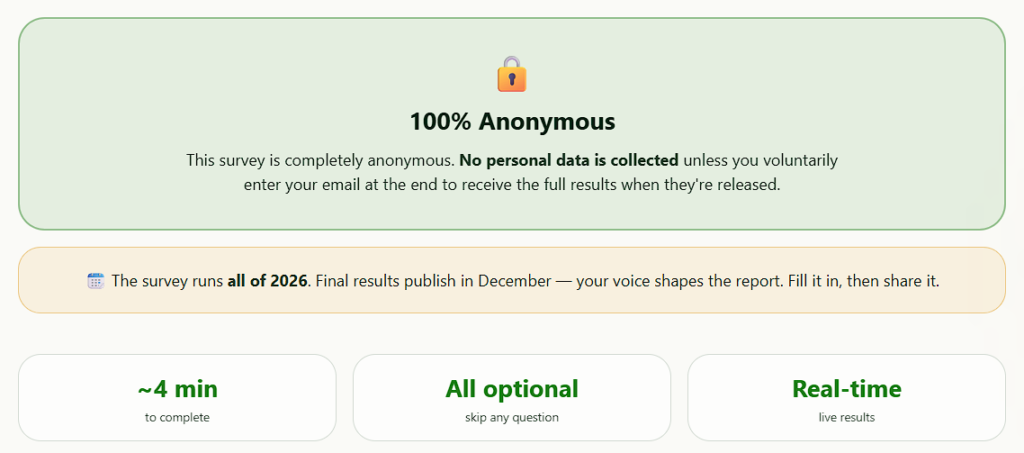
Responses are collected anonymously to ensure honesty and reduce bias.
Policy Implications
How data influences regulation
Lawmakers can use survey findings to better understand real world cannabis usage patterns.
Future legislative direction
The results may help shape future legalization frameworks in South Africa.
Take the Survey | Your Voice Matters
Frequently Asked Questions (FAQs)
1. What is the Cannabis Survey South Africa?
It is a national survey designed to gather real insights from cannabis users, growers, and communities across South Africa.
2. Why is the survey important?
It helps policymakers and even the average person on the street understand real experiences instead of assumptions.
3. Who can participate in the Cannabis Survey South Africa?
Anyone involved with cannabis users, growers, club members, or informal market participants.
4. What is State of the Leaf 2026?
It is the initiative behind the survey, aiming to build a data driven understanding of cannabis in South Africa.
5. How does legalization affect the survey?
The survey explores how legalization may impact users, small growers, and the wider industry.
6. Is cannabis legal in South Africa?
Personal use and cultivation are partially allowed, but commercial regulations are still evolving.
Conclusion
The Cannabis Survey South Africa represents more than just data collection it is a movement toward transparency, representation, and informed policymaking. As South Africa continues to evolve its cannabis framework, initiatives like State of the Leaf 2026 ensure that real voices are not ignored.
The future of cannabis policy will depend heavily on how well these voices are heard, understood, and translated into action. That is why participation matters now more than ever.