
Dagga addiction
Understanding Dagga addiction in context
The term Dagga addiction is often used to describe patterns of cannabis use that feel difficult to control.
However, modern research suggests that addiction is not simply about a substance it is deeply tied to environment, mental health, social connection, and coping mechanisms.
When people talk about Dagga addiction, they are often referring to a spectrum that ranges from casual use to habitual reliance. Unlike substances that create strong physical dependency, cannabis tends to sit more in the category of psychological habit formation for many users. That distinction matters, because it shifts the conversation from fear to understanding.
What “Dagga addiction” really means
Scientifically, dependence involves repeated use despite negative consequences.
In the case of cannabis, only a small percentage of users develop what is clinically described as Cannabis Use Disorder.
Even then, severity varies widely.
Many patterns labelled as Dagga addiction are better understood as coping behaviours used for stress relief, sleep, anxiety reduction, or emotional regulation.
Why terminology matters
Language shapes perception. The word “addiction” often implies loss of control and inevitability. But research increasingly shows that human behaviour is flexible. People can and do change patterns when circumstances change.
The history of cannabis use (Dagga)
Traditional uses across societies
Cannabis, commonly called Dagga in Southern Africa, has a long history of human use. It has been used in various cultures for spiritual rituals, relaxation, and traditional medicine. In some African communities, it has historically been part of healing practices and social bonding.
Modern perceptions and legal shifts
In recent decades, global attitudes toward cannabis have shifted dramatically. Many regions now recognize its medical potential and have relaxed legal restrictions. This shift reflects a growing understanding that cannabis use is not automatically harmful, but context-dependent.
The Rat Park experiment and addiction theory
What the Rat Park study showed
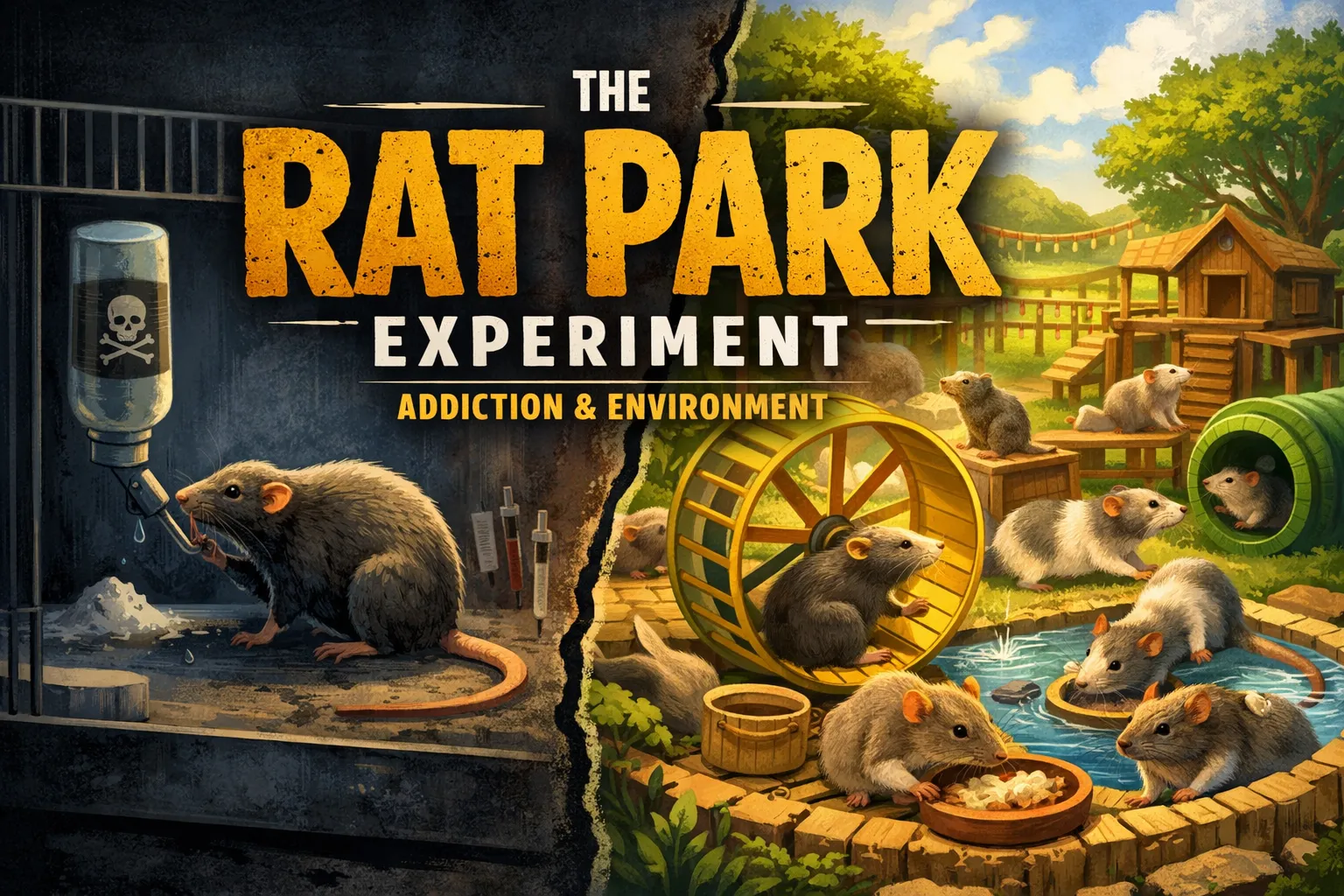
One of the most influential ideas in addiction science comes from psychologist Bruce Alexander’s “Rat Park” experiment. In earlier studies, rats placed in isolated cages with access to drugs tended to consume them compulsively.
However, in Rat Park an enriched environment filled with social interaction, space, and stimulation rats showed dramatically reduced drug use, even when drugs were available.
The takeaway was powerful: addiction is not just about substances it is about environment, connection, and meaning.
Criticism and modern interpretations
While the experiment has been debated and refined over time, its core insight remains influential: isolation and stress significantly increase compulsive behaviors, while connection and purpose reduce them.
The root causes of addiction
Isolation, trauma, and stress
Many patterns described as Dagga addiction are linked to emotional pain, stress, or unresolved trauma. Substances may temporarily soothe discomfort, but they do not address underlying causes.
Environment and connection
Human beings are social creatures. When people feel connected, supported, and engaged, compulsive behaviors often decrease naturally. This aligns with broader psychological research on wellbeing.
Is cannabis inherently addictive?
Physical dependence vs habit formation
Cannabis does not typically produce the same severe physical withdrawal symptoms seen with substances like alcohol or opioids. However, psychological habit formation can still occur.
This is where Dagga addiction becomes nuanced it is often about routine and emotional reliance rather than chemical dependency alone.
Comparing cannabis to caffeine and legal substances
It is useful to compare cannabis with widely accepted substances:
- Coffee (caffeine) can create daily dependence and withdrawal headaches
- Sugar can drive compulsive eating patterns
- Social media can create behavioral loops
- Even exercise or extreme sports can become compulsive in certain cases
The key issue is not legality it is balance.
Behavioral addictions and modern life
Coffee, sugar, gaming, and extreme sports
Modern society is full of reward based behaviours. Many people experience dependency like patterns with legal substances and activities, including caffeine, energy drinks, gaming, and adrenaline driven hobbies.
Dopamine and reward systems
The brain’s dopamine system reinforces rewarding behaviour. This system does not distinguish between “good” and “bad” habits it reinforces repetition of what feels rewarding or relieving.
Recognizing unhealthy patterns
Early warning signs
Some signs of problematic use may include:
- Using cannabis to avoid all emotional discomfort
- Losing interest in other activities
- Increasing frequency to achieve the same effect
- Feeling unable to take breaks
These do not automatically mean addiction, but they are signals worth reflecting on.
Functional vs harmful use
A key distinction is whether a behavior supports or limits your life. If use begins to interfere with responsibilities, relationships, or wellbeing, it may be time to reassess.
Harm reduction strategies
Moderation techniques
Rather than framing the issue as “all or nothing,” harm reduction focuses on balance:
- Setting intentional use days
- Taking regular breaks
- Avoiding use as the only coping mechanism
Environmental restructuring
Changing surroundings can significantly reduce compulsive patterns. This includes:
- Spending more time socially engaged
- Creating alternative stress relief routines
- Reducing triggers associated with habitual use
Mental wellbeing and cannabis use
Stress coping alternatives
Healthier coping tools may include:
- Walking or physical activity
- Creative expression
- Talking with trusted people
- Structured relaxation techniques
Mindfulness practices
Mindfulness helps individuals observe cravings without automatically acting on them. This increases self awareness and control over habits.
Social stigma and misunderstanding
Media framing of Dagga addiction
Public narratives often exaggerate harm while ignoring nuance. This can lead to stigma that prevents open discussion and honest self-reflection.
Impact of labeling
When people are labeled as “addicted,” they may internalize that identity. This can make change feel harder than it actually is.
Recovery vs regulation of use
When to reduce or pause use
Some people benefit from temporary breaks to reset habits and regain clarity. Others may simply adjust frequency without stopping entirely.
Support systems
Support does not always mean formal treatment it can include friends, communities, or wellness groups that encourage balanced living.
Hopeful perspectives on addiction
Neuroplasticity and change
The brain is adaptable. Patterns that feel fixed can shift over time with new experiences, environments, and habits.
Reintegration and purpose
Many people reduce compulsive behaviors naturally when they find purpose, connection, and meaningful daily structure.
FAQs about Dagga addiction
1. Is Dagga addiction real?
Yes, but it is typically less physically severe than many other substances and often involves psychological dependence.
2. Can cannabis use become problematic?
Yes, especially when it begins to interfere with daily life or emotional wellbeing.
3. Is cannabis more addictive than caffeine?
For most users, caffeine produces more consistent physical dependence patterns, while cannabis dependence is more psychological.
4. What is the Rat Park experiment?
It was a study showing that environment and social connection significantly influence addiction behavior.
5. Can someone reduce cannabis use easily?
Many people can adjust their usage with awareness, structure, and environmental changes.
6. Does everyone who uses Dagga become addicted?
No, only a small percentage develop problematic patterns of use.
Conclusion
The conversation around Dagga addiction becomes far more meaningful when we move beyond fear based thinking and look at the broader picture of human behaviour. Addiction is rarely about a single substance it is about environment, connection, emotional wellbeing, and coping strategies.
The Rat Park research and modern psychology both suggest a hopeful message: change is possible, patterns are flexible, and support systems matter more than stigma.
Cannabis, like many other legal substances and behaviors, exists on a spectrum of use. Understanding that spectrum allows for more honest reflection and healthier decisions without fear or judgment.