

Reflections from the Fields of Green for All Side Event at CND68, Vienna
On March 12, 2025, Fields of Green for All hosted an extraordinary side event at the 68th session of the Commission on Narcotic Drugs (CND68) in Vienna, titled “Cannabis in Africa on the Centenary of its Prohibition: Between Illegality and Opportunity.”
The depth of insight, passion, and expertise shared by speakers from South Africa, Ghana, Nigeria, Kenya, and Zimbabwe deserves to be experienced firsthand.
Out of respect for their work and the communities they represent, we urge you to listen to them directly.
A Rich Heritage Meets a Colonial Legacy
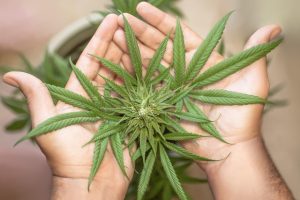
Cannabis has been part of African life for millennia, embedded in traditions, medicine, and livelihoods.
Yet, for the past 100 years, its story has been shaped by prohibition a colonial imposition that lingers today.
As Myrtle Clarke of Fields of Green for All highlighted, the global dialogue on cannabis is evolving, with many nations rethinking its legal status and potential.
This event, co-sponsored by groups like the Cannabis Embassy and the University of Bristol’s Cannabis Africana project, drew on fresh research from across the continent to explore what’s at stake—and what’s possible.
South Africa: Human Rights and Persistent Policing Challenges
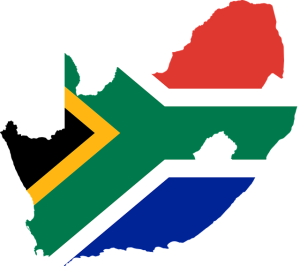
Professor Chapo Mlangi of the South African Human Rights Commission framed cannabis as a human rights issue, focusing on the Rastafari and other marginalized communities.
Despite the 2018 Constitutional Court ruling and the 2024 Cannabis for Private Purposes Act decriminalizing private adult use, arrests remain rampant—19,000 in 2022-2023 and 16,841 in 2023-2024, with over 75% of cases withdrawn.
These figures expose a system marked by profiling, privacy violations, and ineffective policing.
Professor Mlangi called for an end to unlawful arrests and a fair commercialization framework, praising Fields of Green for All’s advocacy.
“Cannabis has a longstanding history in our indigenous communities,” he said, a thread echoed throughout the event.
Dr. Simon Howell from the University of Cape Town later mapped these arrests, revealing their concentration in urban townships where “private spaces” are a legal fiction.
He urged context-specific policies that treat cannabis as an economic resource, not a criminal target.

Ghana: Balancing Livelihoods and Legal Reform
Maria Goretti Ane, a Ghanaian lawyer and advocate with the International Drug Policy Consortium, outlined Ghana’s cautious steps toward regulated cannabis cultivation.
After a 2020 law was struck down, Act 1019 was revived in 2023 to permit medicinal and industrial use, driven by health, rights, and justice concerns.
Yet, local farmers worry about being sidelined by corporate interests.
“If they’re excluded from the legitimate market, illicit markets will thrive,” Maria cautioned, advocating for inclusive engagement to bridge this gap.

Nigeria: Prohibition’s Failure and Livelihood Realities
Professor Gernot Klantschnig of the University of Bristol shared findings from Nigeria, where cannabis remains illegal yet ubiquitous used by an estimated 22 million people despite harsh penalties.
Known as “the leaf lifting the poor,” it sustains marginalized farmers and traders, though at the cost of state violence and stigma.
Gernot called for a re-evaluation of prohibition, emphasizing cannabis’s deep cultural and economic roots and the need for African-led solutions.
Kenya: A Colonial Past and a Vibrant Present

Dr. Neil Carrier, an anthropologist at the University of Bristol, traced Kenya’s cannabis history back over a thousand years, predating its 1914 colonial prohibition.
Today, it’s widely consumed and traded, supporting livelihoods despite its illegality—and fuelling police corruption.
Activists cite this colonial legacy to push for change, and Neil stressed amplifying the voices of urban traders as Kenya considers alternatives.

Zimbabwe: Legalization’s Limited Reach
Dr. Clemens Rusenza of Cardiff University examined Zimbabwe’s 2018 legalization of medicinal and industrial cannabis.
High costs—up to $1 million per hectare—and export-only rules limit benefits, with just five of 60 licensed producers active in 2023.
Meanwhile, illicit small-scale farmers thrive, supporting families amid economic hardship. Clemens urged rethinking costly models and engaging these producers to avoid corporate capture.

A Call for African Solutions
A century after South Africa spurred global cannabis prohibition in 1925, these voices signal a turning point.
Prohibition has failed to erase cannabis’s role in African life, instead deepening marginalization and inefficiency.
From South Africa’s policing struggles to Zimbabwe’s exclusive markets, the path forward lies in inclusive, homegrown policies that honour local realities.
We invite you to watch the full presentation on the Fields of Green for All YouTube channel and stay connected via fieldsofgreenforall.org.za.

These speakers—and the communities they champion—deserve to be heard in their own words as Africa reclaims its cannabis story.