
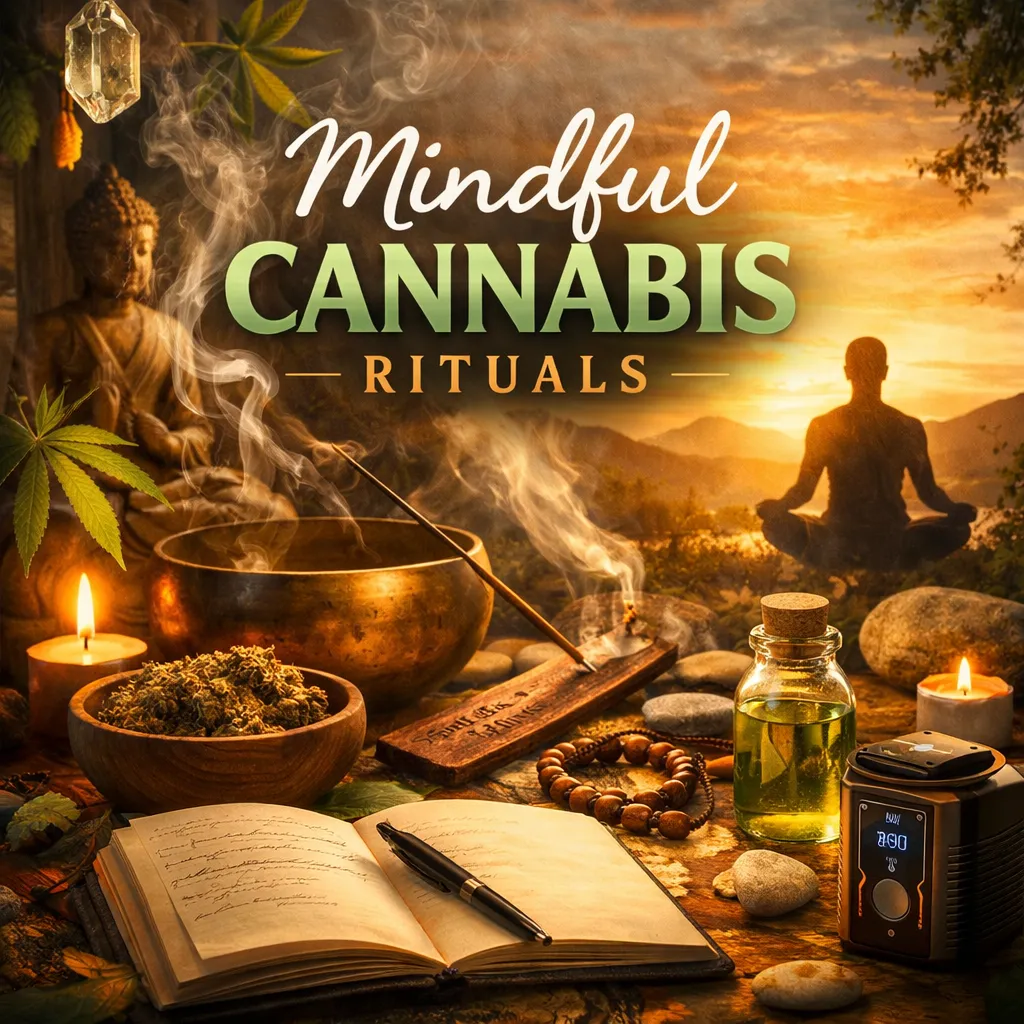
Understanding Cannabis Beyond Consumption
For many people, cannabis has traditionally been discussed in terms of products, potency, strains, and effects.
Yet an equally important conversation often gets overlooked: the relationship people develop with cannabis over time. Whether someone consumes occasionally or incorporates cannabis into a wellness routine, the quality of that relationship is shaped not just by what they use, but by how they use it.
This is where the concept of mindful consumption becomes valuable.
Mindful cannabis use focuses on awareness rather than autopilot behaviour.
Instead of consuming because of boredom, stress, or routine, individuals pause to consider their intentions, emotional state, and desired outcome.
The process transforms cannabis from a reflexive habit into a conscious practice. Similar to how people approach meditation, tea ceremonies, or exercise routines, intentional cannabis rituals can create structure, meaning, and self awareness.
The growing wellness movement of 2026 has accelerated interest in mindful consumption.
Consumers are increasingly seeking experiences that support balance rather than excess. Trends such as microdosing, personalized wellness plans, and digital tracking tools reflect a broader shift away from quantity and toward quality.
At the same time, researchers continue exploring how mindfulness based approaches can support healthier relationships with cannabis.
Looking back through history reveals that many cultures already understood this connection. Cannabis was often integrated into ceremonies, spiritual practices, and communal gatherings where intention mattered as much as the substance itself.
By combining these historical lessons with modern psychology and emerging technology, we can develop rituals that encourage awareness, reflection, and responsible use.
Why Rituals Matter in Human Behavior
Rituals have accompanied human life for thousands of years. They mark transitions, celebrate milestones, and help individuals navigate uncertainty.
From morning coffee routines to religious ceremonies, rituals create predictable structures that reduce mental clutter and provide emotional grounding.
Psychology suggests that rituals serve as cognitive anchors, helping people focus attention and establish meaning around specific actions.
Cannabis rituals work in a similar way. The simple acts of preparing a device, measuring a dose, selecting a comfortable environment, or taking a moment to breathe can become signals that encourage presence and intentionality.
Rather than rushing into consumption, the ritual creates a pause between impulse and action.
That pause can be surprisingly powerful.
Research in behavioural science has repeatedly shown that intentional rituals can reduce anxiety and improve emotional regulation. Ritualized behaviour helps individuals shift mental states, whether moving from work into relaxation or from social activity into introspection. Cannabis consumption often occurs during these transitions, making rituals especially relevant.
What makes rituals unique is that they transform ordinary actions into meaningful experiences.
Grinding flower, preparing a vaporizer, or selecting music may appear mundane on the surface, but when paired with awareness and purpose, these actions become opportunities for reflection.
The ritual itself becomes part of the experience rather than merely preparation for it.
The Difference Between Habit and Intention
One of the most important distinctions in mindful cannabis use is understanding the difference between habits and intentions.
Habits are automatic behaviours triggered by cues in our environment. A stressful meeting ends, and someone immediately reaches for cannabis.
A particular time of day arrives, and consumption happens almost unconsciously. The decision feels automatic because the brain has learned a familiar pattern.
Intentional practices operate differently.
Instead of reacting automatically, individuals consciously choose their actions after evaluating their needs and circumstances.
This choice introduces awareness into the process.
The question shifts from “When do I usually consume?” to “Why am I choosing to consume right now?“
Psychologists often describe mindfulness as paying attention to the present moment without judgment.
Applying this principle to cannabis means observing emotions, motivations, and expectations before consumption. Someone might discover they are seeking relaxation, creative inspiration, social connection, or emotional escape.
Recognizing these motivations provides valuable insight.
Intentionality also encourages periodic reflection.
A ritual that once supported well-being may eventually become repetitive or unhelpful.
Regular check ins help ensure that consumption patterns remain aligned with personal goals.
This process prevents habit drift the gradual shift from conscious choice back into automatic behaviour.
Awareness becomes the safeguard that keeps rituals meaningful.
The Historical Roots of Cannabis Rituals
Across continents and centuries, cannabis has appeared in spiritual ceremonies, community gatherings, medicinal traditions, and rites of passage.
These historical examples reveal a consistent theme: cannabis was often used within structured frameworks emphasizing purpose, moderation, and connection.
Modern conversations frequently focus on products and consumption methods, yet traditional practices remind us that context matters.
The meaning attached to cannabis can significantly influence how it is experienced.
Understanding these traditions provides inspiration for modern mindfulness while encouraging respect for the cultures that developed them.
Sacred Traditions in India
India offers one of the oldest documented examples of cannabis ritual use.
Bhang, a preparation made from cannabis leaves and flowers, has long been associated with religious festivals such as Holi and Maha Shivaratri.
Within these contexts, cannabis is often linked to Lord Shiva and viewed through a spiritual lens rather than a recreational one.
The significance of these traditions lies in their intentional framework. Consumption occurs during specific ceremonies, accompanied by cultural practices, prayers, and communal participation.
The focus is not simply on intoxication but on alignment, celebration, and spiritual reflection.
These traditions also highlight an important lesson for modern consumers: context shapes experience.
When cannabis is integrated into meaningful practices, individuals often approach it with greater respect and awareness. The ritual itself influences mindset and behaviour.
Respecting these traditions means acknowledging their cultural and religious significance rather than treating them as trends or commodities. Their value lies not in imitation but in understanding how intention has historically guided cannabis use.
Rastafari Reasoning and Spiritual Use
Within Rastafari culture, cannabis often referred to as ganja is regarded as a sacrament rather than a recreational substance.
It is commonly used during reasoning sessions, gatherings focused on discussion, spiritual exploration, and communal learning.
The concept of reasoning offers a powerful model for intentional consumption.
Cannabis becomes a tool supporting dialogue, introspection, and connection rather than passive entertainment.
Participants engage with one another thoughtfully, often exploring philosophical, social, or spiritual topics.
This tradition illustrates how environment and purpose can shape outcomes.
Consuming cannabis while engaging in meaningful conversation creates a different experience than consuming mindlessly in isolation. The ritual encourages active participation rather than passive consumption.
Learning from Rastafari practices requires cultural sensitivity.
These traditions emerged from specific historical and spiritual contexts.
Their value for modern consumers lies in demonstrating how shared intention and community can create deeper, more mindful experiences.
Community and Connection in Moroccan Kif Circles
In parts of Morocco, kif circles have historically served as social gatherings where cannabis consumption accompanies conversation, storytelling, and relationship building.
These gatherings emphasize community over individual indulgence.
The social structure of kif circles encourages moderation and presence. Participants engage with one another directly, reinforcing human connection as the primary focus.
Cannabis becomes one element of a broader communal experience.
This model contrasts sharply with consumption patterns driven by distraction or isolation. The lesson is not that all cannabis use should be social, but that meaningful connection often contributes to healthier relationships with substances.
When cannabis supports community rather than replacing it, consumption can take on a more balanced role.
Ancient Scythian Purification Practices
Historical accounts from ancient Greek historian Herodotus describe Scythian tribes using cannabis smoke during purification ceremonies and burial rites.
While archaeological interpretations continue to evolve, evidence suggests cannabis played a ceremonial role linked to transition and transformation.
These rituals remind us that humans have long used symbolic practices to navigate significant life events.
Cannabis was integrated into experiences carrying emotional, spiritual, or communal importance.
The enduring lesson is that ritual creates meaning. Whether ancient or modern, structured practices help individuals engage with substances consciously rather than casually.
The specific rituals may differ across cultures and centuries, but the underlying principle remains remarkably consistent.
The Science Behind Mindful Cannabis Use
What Research Says About Mindfulness and Cravings
Scientific interest in mindfulness has expanded dramatically over the past decade.
Multiple studies examining mindfulness-based interventions (MBIs) suggest they can reduce cravings, improve emotional awareness, and support healthier behavioural choices.
These findings have implications for cannabis users seeking greater intentionality.
Researchers often distinguish between automatic reactions and mindful responses. Cravings frequently arise as reflexive responses to stress, boredom, or environmental triggers.
Mindfulness interrupts this cycle by encouraging observation without immediate action.
Instead of automatically consuming, individuals learn to notice thoughts and feelings before deciding how to respond.
Studies examining momentary mindfulness have found associations with lower levels of negative affect and reduced substance-related cravings.
By increasing present moment awareness, mindfulness helps individuals recognize motivations that might otherwise remain unconscious.
The practical takeaway is simple: awareness creates options. The more clearly someone understands why they want to consume, the easier it becomes to make decisions aligned with their goals rather than driven by impulse.
Emotional Regulation and Self Awareness
One of the most compelling reasons to incorporate mindfulness into cannabis use is its connection to emotional regulation.
Emotional regulation refers to the ability to recognize, understand, and manage emotions effectively rather than being controlled by them.
For many people, cannabis is used in response to emotional states such as stress, anxiety, frustration, loneliness, or even excitement.
Without awareness, consumption can become a default coping mechanism rather than a conscious choice.
Mindfulness based research has consistently shown improvements in emotional awareness and self regulation. When individuals learn to pause and observe their emotions without immediately reacting, they gain valuable information about their internal experiences.
Instead of viewing uncomfortable feelings as problems that need to be eliminated, mindfulness encourages curiosity. What is causing the stress? What need is seeking attention? Is cannabis the most supportive response in this moment?
This level of self awareness transforms the consumption experience.
Cannabis is no longer expected to solve every emotional challenge.
Instead, it becomes one option among many tools for well being.
Some days the answer might be a mindful session. Other days it might be exercise, conversation, journaling, sleep, or meditation.
The difference lies in making intentional choices rather than reflexive ones.
Psychologists often describe self awareness as the foundation of personal growth. Cannabis rituals that encourage reflection can strengthen this awareness. A person who regularly checks in with their emotions before and after consumption develops a clearer understanding of patterns, triggers, and outcomes. Over time, this insight helps create a healthier, more balanced relationship with cannabis.
The combination of mindfulness and cannabis also aligns with broader wellness trends emerging.
Consumers increasingly seek experiences that support emotional resilience and personal development rather than simple escapism. By integrating awareness into cannabis rituals, users can cultivate a relationship rooted in intentionality, self knowledge, and responsibility.
Ritual 1 The Pre Consumption Check In
Every meaningful ritual begins before consumption occurs. The pre consumption check in serves as a mental and emotional compass, helping individuals clarify their intentions and assess whether cannabis use aligns with their current needs.
While this practice may only take a few minutes, it can dramatically influence the quality of the experience.
Think of this ritual as a conversation with yourself.
Before reaching for cannabis, pause and examine your state of mind.
Are you feeling relaxed, stressed, curious, overwhelmed, creative, or exhausted? What outcome are you hoping to achieve?
By answering these questions honestly, you establish awareness before action.
Psychology offers strong support for intention setting practices.
Research suggests that conscious goal setting can improve decision making and increase alignment between behaviour and personal values. When applied to cannabis, intention setting creates a framework for mindful consumption.
Instead of consuming because it is what you usually do at a particular time, you consume because you have identified a specific purpose.
Environmental awareness is another important component of the pre consumption ritual.
Consider where you are, who you are with, and whether the setting supports your intended experience. A peaceful environment often enhances mindfulness, while chaotic or stressful surroundings may amplify distractions.
Dose awareness also plays a critical role. The rise of micro dosing in 2026 reflects growing recognition that more is not always better.
Choosing a dose that matches your intention helps prevent overconsumption and supports a more controlled experience. Someone seeking gentle relaxation may require a very different amount than someone using cannabis for creative exploration.
The pre consumption check in is valuable because it creates a deliberate pause. In that pause lies the opportunity to transform consumption from habit into choice.
The ritual becomes a gateway to greater awareness and more satisfying experiences.
Questions to Ask Before Every Session
A structured set of questions can help strengthen your pre consumption ritual. These questions are not meant to judge your choices but to illuminate them. They encourage reflection and help ensure that cannabis use remains aligned with your goals.
Consider asking yourself:
- Why do I want to use cannabis right now?
- What emotion am I currently experiencing?
- What outcome am I hoping to achieve?
- Is cannabis the best tool for this situation?
- What dose supports my intention?
- Am I in a safe and comfortable environment?
- How do I want to feel afterward?
These questions may seem simple, yet they encourage remarkable clarity.
For example, someone who initially believes they want cannabis for relaxation may realize they are actually seeking distraction from unresolved stress. That awareness creates options.
Perhaps cannabis remains the right choice, or perhaps another activity would be more supportive.
Over time, these check ins become a source of valuable self knowledge.
Patterns begin to emerge. Certain emotions may consistently trigger consumption, while specific intentions may lead to more positive outcomes. This information helps refine future decisions.
The goal is not perfection. The goal is awareness.
Every check in strengthens the habit of conscious choice and reinforces the idea that cannabis consumption is most beneficial when guided by intention rather than impulse.
Ritual 2 Practicing Cultural Reverence
Modern cannabis culture often emphasizes innovation, products, and trends.
While these developments are exciting, there is also value in remembering that cannabis has a rich cultural history spanning thousands of years.
Practicing cultural reverence means approaching cannabis with respect for the traditions and communities that have shaped its historical use.
Many ancient and contemporary cultures viewed cannabis as more than a commodity.
It was integrated into ceremonies, spiritual practices, communal gatherings, and healing traditions.
These contexts emphasized intention, responsibility, and meaning. Understanding this history can inspire more mindful modern rituals.
Cultural reverence does not require adopting another culture’s practices. In fact, respectful engagement means avoiding cultural appropriation. Sacred traditions such as Indian bhang ceremonies or Rastafari reasoning sessions emerged from specific historical, religious, and social contexts.
Their significance should not be reduced to aesthetic trends or marketing themes.
Instead, the lesson is to appreciate the principles underlying these traditions.
Many emphasize gratitude, community, mindfulness, and purposeful use. These values can be incorporated into personal rituals without copying sacred practices.
One practical approach is creating a moment of gratitude before consumption.
This could involve acknowledging the growers, cultivators, and ecosystems that contributed to the product. Such reflection encourages awareness of the broader systems connected to cannabis production and use.
Cultural reverence also encourages learning. Reading about cannabis history, understanding its role in different societies, and recognizing the struggles of communities affected by prohibition can deepen appreciation for the plant and its cultural significance.
Mindful consumption becomes richer when informed by historical perspective. Rather than viewing cannabis solely through a modern commercial lens, consumers can recognize it as part of a long and diverse human story.
Learning from Tradition Without Appropriation
Respectful learning begins with curiosity and humility. Traditions involving cannabis often carry deep spiritual, cultural, and historical meaning.
Appropriation occurs when these practices are borrowed without understanding, context, or respect for the communities that created them.
A better approach is inspiration rather than imitation.
For example, the intentionality found in Rastafari reasoning sessions can inspire meaningful conversations among friends. The reverence associated with bhang ceremonies can inspire gratitude and mindfulness.
The communal values of Moroccan kif circles can inspire stronger social connections.
The focus should remain on underlying principles rather than surface level replication.
This distinction matters because it preserves cultural integrity while allowing individuals to learn valuable lessons.
Education plays a key role. Taking time to understand the origins of traditions demonstrates respect and helps prevent oversimplification. It also enriches the personal meaning of modern rituals.
By approaching cultural history thoughtfully, consumers can create practices that honour both the past and the present. The result is a deeper, more respectful relationship with cannabis and the diverse communities connected to its history.
Ritual 3 Mindful Micro dosing
Few cannabis trends have generated as much interest in 2026 as micro dosing. Unlike traditional approaches that prioritize strong psychoactive effects, micro dosing involves consuming very small amounts of cannabinoids to achieve subtle benefits.
The goal is not intoxication but enhancement supporting creativity, focus, relaxation, or emotional balance while maintaining clarity and functionality.
Micro dosing aligns naturally with the philosophy of mindful consumption because it encourages intentionality. Users must pay close attention to dosage, timing, and effects.
The process requires observation and experimentation rather than automatic consumption.
Many consumers report that micro dosing allows them to engage more fully with daily activities.
Instead of feeling detached from responsibilities, they remain present and productive. This subtlety encourages awareness because the effects are gentle enough to observe without becoming overwhelming.
From a psychological perspective, micro dosing also challenges the assumption that cannabis use must involve dramatic changes in consciousness.
The practice shifts attention toward quality of experience rather than intensity. This perspective aligns with broader wellness trends emphasizing balance and sustainability.
Mindful micro dosing works best when paired with clear intentions. Someone seeking creative inspiration may choose a different approach than someone seeking stress relief. Tracking experiences through journaling or digital tools can help identify optimal patterns and prevent guesswork.
The growing popularity of micro dosing reflects a broader cultural shift. Consumers increasingly view cannabis as part of holistic wellness routines rather than isolated recreational experiences. By prioritizing awareness and moderation, micro dosing embodies many of the core principles of mindful consumption.
Why Microdosing Is Growing in 2026
Several factors have contributed to the rise of micro dosing. First, consumers are becoming more educated about cannabinoids and their effects.
Access to detailed product information allows for greater precision and customization.
Rather than relying on trial and error, users can make informed choices based on cannabinoid profiles and desired outcomes.
Second, workplace flexibility and hybrid lifestyles have increased interest in functional wellness practices.
Many people seek tools that support focus, creativity, and stress management without impairing performance. Micro dosing offers a potential solution by emphasizing subtle effects.
Third, technological innovation has improved dosing accuracy. Modern vaporizers, measured edibles, and personalized consumption apps make it easier than ever to maintain consistency.
These tools support intentional use and reduce uncertainty.
The wellness industry has also embraced micro dosing. Health conscious consumers increasingly prioritize moderation and sustainability.
Instead of pursuing maximum potency, they seek experiences that integrate smoothly into daily life.
Micro dosing is not a universal solution, and individual responses vary.
Yet its popularity reflects an important trend: a growing desire for conscious, balanced relationships with cannabis. The practice encourages users to engage thoughtfully with the plant and prioritize awareness over excess.
Ritual 4 Journaling and Reflection
If the pre consumption check in creates awareness before using cannabis, journaling and reflection create awareness afterward.
This ritual is often overlooked because it lacks the novelty of new products or technology, yet it may be one of the most powerful tools for intentional consumption.
Reflection transforms experiences into insights, helping individuals understand not only what happened during a session but also why it happened and whether it supported their goals.
Many mindfulness based interventions emphasize self observation because awareness grows through consistent reflection.
A journal acts like a mirror. It captures thoughts, emotions, sensations, and patterns that might otherwise fade from memory.
Over time, these observations reveal valuable information about how cannabis interacts with mood, creativity, stress levels, sleep quality, social experiences, and overall well-being.
A simple journaling practice can include noting the date, product used, dose, setting, emotional state before consumption, and emotional state afterward.
While this may sound analytical, the purpose is not to create a scientific report. The purpose is to develop a clearer understanding of personal patterns.
Someone may discover that certain environments consistently lead to positive experiences, while others contribute to anxiety or distraction. Another person may notice that lower doses support creativity more effectively than higher doses.
Reflection also helps identify habit drift.
One of the greatest challenges of mindful consumption is that even meaningful rituals can gradually become automatic. What begins as intentional use can slowly transform into routine behaviour.
Journaling creates accountability because it encourages regular evaluation. Are your rituals still serving your goals? Have your reasons for consuming changed? Are there healthier alternatives that deserve consideration?
Psychological research suggests that self monitoring often improves behavioural outcomes because it increases awareness.
The act of paying attention influences decision making. When consumers regularly reflect on their experiences, they are more likely to make conscious adjustments and less likely to remain stuck in unexamined patterns.
The beauty of journaling is its flexibility. Some people prefer detailed written entries. Others use voice notes, digital apps, or brief bullet point reflections.
The format matters less than the practice itself. Consistent reflection strengthens self awareness, and self awareness remains one of the strongest foundations for intentional cannabis use.
Building a Feedback Loop for Better Decisions
A feedback loop is a process in which information from past experiences influences future choices. In the context of cannabis, reflection creates the feedback necessary for growth and improvement.
Without feedback, consumption patterns often repeat automatically. With feedback, they evolve intentionally.
Imagine someone who uses cannabis to relax after work. Through journaling, they notice that sessions involving a short walk beforehand consistently produce more positive outcomes than sessions that occur immediately after stressful meetings. This insight allows them to refine their ritual. The combination of movement and cannabis becomes more effective than cannabis alone.
Feedback loops are especially valuable for individuals experimenting with micro dosing. Because effects can be subtle, written observations help identify what works and what doesn’t.
Small adjustments in timing, dosage, or environment may produce significant differences over time.
Technology is making this process easier than ever. Many wellness and cannabis tracking applications now allow users to record dosage information, mood changes, and subjective experiences.
These digital tools can generate personalized insights and reveal patterns that might otherwise remain invisible.
They represent a modern extension of an ancient practice: observing oneself carefully and learning from experience.
A strong feedback loop also supports moderation. By regularly reviewing consumption habits, individuals can identify whether their use remains aligned with their values and objectives.
If consumption begins increasing without clear purpose, reflection provides an opportunity to reassess and recalibrate.
The most effective rituals are not static. They evolve as people change.
Journaling ensures that evolution is guided by awareness rather than chance. It transforms cannabis consumption into an ongoing conversation with oneself a conversation rooted in curiosity, honesty, and growth.
Ritual 5 Eco Conscious Cannabis Consumption
Mindfulness is often associated with personal awareness, but it also extends outward.
True intentionality involves recognizing how our choices affect the broader world. Eco conscious cannabis consumption reflects this principle by aligning purchasing decisions and consumption habits with environmental values.
Sustainability has become one of the defining cannabis trends.
Consumers increasingly ask questions about cultivation practices, packaging materials, energy use, and supply chain transparency.
This shift reflects growing recognition that mindful consumption includes consideration of environmental impact.
Cannabis cultivation can be resource-intensive.
Indoor growing operations may require significant amounts of electricity, while packaging waste remains a concern across the industry.
As awareness increases, many producers are adopting organic cultivation methods, renewable energy systems, water conservation technologies, and recyclable packaging solutions.
Incorporating sustainability into a cannabis ritual begins with informed choices. Consumers can research brands that prioritize environmental responsibility and support businesses committed to ethical production.
This process transforms purchasing into an extension of personal values rather than a purely transactional activity.
Eco conscious rituals may also involve reducing waste during consumption.
Reusable devices, refillable accessories, and recyclable materials can help minimize environmental impact.
Even small actions become meaningful when performed consistently.
The psychological benefits of value-aligned behaviour should not be underestimated. Studies in behavioural science suggest that people often experience greater satisfaction when their actions reflect their beliefs.
Choosing sustainable cannabis products can strengthen the sense that consumption is part of a larger commitment to conscious living.
Mindfulness is ultimately about connection. Eco conscious consumption expands that connection beyond the individual and acknowledges the relationships between people, communities, and ecosystems. It reminds us that every choice carries consequences and that intentionality extends far beyond the moment of use.
Aligning Personal Values With Purchasing Choices
Many people view sustainability as an abstract concept, but mindful consumption makes it practical. Every purchase sends a signal about the types of practices consumers wish to support. When individuals choose environmentally responsible products, they help encourage industry-wide improvements.
The following table highlights some factors consumers may consider when evaluating cannabis products:
| Consideration | Conventional Approach | Eco Conscious Approach |
| Cultivation | High energy indoor grows | Renewable energy or sun grown cultivation |
| Packaging | Single use plastics | Recyclable or compostable materials |
| Water Usage | Limited transparency | Water conservation practices |
| Farming Methods | Synthetic inputs | Organic or regenerative cultivation |
| Supply Chain | Minimal disclosure | Transparent sourcing and production |
Beyond purchasing decisions, eco conscious rituals can include expressing gratitude for natural resources involved in cultivation.
This simple practice reinforces awareness of the environmental systems supporting cannabis production.
Intentional consumers increasingly recognize that mindfulness is not limited to what happens during consumption. It includes every step of the journey from cultivation to purchase to use.
Aligning choices with values creates a more coherent and meaningful relationship with cannabis.
Technology and the Future of Intentional Cannabis Use
Technology is rapidly reshaping the cannabis landscape. While some people associate mindfulness with simplicity and tradition, modern tools can actually enhance awareness when used thoughtfully.
The key is ensuring that technology serves intentionality rather than distraction.
One of the most significant developments in 2026 is the emergence of personalized cannabis ecosystems. Consumers can now access sophisticated applications that track dosage, monitor effects, record mood changes, and provide customized recommendations.
These tools help users make more informed decisions based on data rather than guesswork.
Artificial intelligence is also beginning to influence cannabis wellness platforms.
By analysing patterns across multiple sessions, some applications can identify trends and offer insights tailored to individual goals.
Someone seeking better sleep may receive different recommendations than someone focused on creativity or stress management.
Technology’s role in mindful consumption mirrors the role of journals and reflection practices. Both provide feedback. The difference is that digital systems can process larger amounts of information and reveal patterns that might otherwise remain hidden.
As innovation continues, consumers face an important choice. Technology can either deepen awareness or encourage dependence. The most effective approach treats digital tools as assistants rather than authorities. They provide information, but personal reflection remains essential.
When integrated thoughtfully, technology supports intentionality by making self awareness more accessible. Rather than replacing mindfulness, it can strengthen it.
Smart Devices and Personalized Consumption
Smart vaporizers represent one of the most visible examples of technology-driven cannabis rituals.
Modern devices allow users to control temperature with remarkable precision, influencing flavour profiles, cannabinoid delivery, and overall experience.
This level of customization encourages experimentation and intentional use.
Personalized consumption platforms extend this concept further.
Users can log experiences, receive dosage reminders, and monitor wellness goals through connected applications.
Some systems even integrate wearable devices to track physiological data related to stress, sleep, and recovery.
The appeal of these tools lies in their ability to support consistency. Intentional consumption often depends on understanding what works. Smart devices provide data that helps users refine their rituals over time.
Still, mindfulness requires balance. Technology should enhance awareness rather than dominate attention. A person who spends more time analyzing data than experiencing the present moment may miss the deeper purpose of intentional consumption.
The future likely involves a blend of ancient wisdom and modern innovation. Traditional principles such as reflection, gratitude, and intentionality remain relevant, while new technologies provide additional tools for self-understanding. Together, they create opportunities for more conscious and personalized cannabis experiences.
Common Challenges That Disrupt Mindful Consumption
Mindful cannabis use sounds appealing in theory, but maintaining intentionality over time can be challenging. Life becomes busy.
Stress levels fluctuate. Routines emerge. Without periodic reflection, even the most meaningful rituals can lose their purpose and become automatic.
One common challenge is emotional avoidance. Individuals may begin using cannabis primarily to escape uncomfortable feelings rather than engage with them constructively.
While temporary relief is understandable, relying exclusively on cannabis for emotional management can limit opportunities for growth and resilience.
Another challenge involves social influence. Peer expectations, cultural trends, and marketing messages can shape consumption habits in subtle ways.
Mindful consumers benefit from regularly evaluating whether their choices reflect personal values or external pressures.
Over-romanticizing cannabis presents another risk. Historical traditions and wellness narratives can sometimes create the impression that cannabis is inherently beneficial in every context. Reality is more nuanced. Effects vary between individuals, situations, and consumption patterns. Intentionality requires honesty about both benefits and limitations.
Maintaining awareness also becomes more difficult as familiarity increases. Repetition often creates efficiency, but it can also reduce mindfulness. Activities once performed consciously begin occurring automatically. This process is natural, yet it highlights the importance of regular reassessment.
The goal is not flawless mindfulness. The goal is continuous learning. Challenges provide opportunities to refine rituals and strengthen self-awareness. Recognizing these obstacles is itself an act of mindfulness.
When Rituals Become Automatic Habits
Ironically, rituals designed to promote awareness can eventually become habits. A person who once carefully considered every session may find themselves following the same routine without reflection. The ritual remains, but the intention disappears.
Psychologists describe this process as automation. The brain conserves energy by transforming repeated behaviors into habits. While this mechanism is useful, it can undermine mindfulness when left unchecked.
Periodic reviews help prevent this drift. Setting aside time each week or month to evaluate consumption patterns can reveal whether rituals remain aligned with personal goals. Questions worth asking include:
- What role is cannabis currently playing in my life?
- Are my rituals still meaningful?
- Have my motivations changed?
- Am I consuming intentionally or automatically?
- What adjustments would improve my relationship with cannabis?
These reviews function like course corrections. They ensure that rituals continue serving their intended purpose rather than becoming empty routines.
Mindfulness is not a destination. It is an ongoing practice of paying attention. By revisiting intentions regularly, consumers can maintain a relationship with cannabis that remains conscious, adaptable, and supportive of overall well-being.
Conclusion
Mindful cannabis consumption is ultimately about relationship rather than reflex. Throughout history, cultures around the world have integrated cannabis into practices emphasizing intention, community, reverence, and self awareness. Modern psychology and emerging research reinforce many of these same principles, demonstrating the value of mindfulness, reflection, and emotional awareness.
The five rituals explored in this article the pre consumption check in, cultural reverence, mindful micro dosing, journaling and reflection, and eco conscious consumption offer practical ways to bring greater intentionality into cannabis use. Each ritual creates opportunities to pause, observe, and choose consciously rather than react automatically.
The emerging trends of 2026, including personalized technology, sustainability initiatives, smart devices, and wellness-oriented products, suggest that the future of cannabis is becoming increasingly aligned with mindful living.
Yet the most important tool remains awareness itself.
No app, device, or product can replace the simple act of paying attention.
Ancient traditions and modern science converge on a shared insight: meaningful experiences arise when actions are guided by purpose.
Cannabis rituals are most valuable not because they make consumption more elaborate, but because they make it more conscious.
When approached with curiosity, respect, and reflection, cannabis becomes more than a product. It becomes part of a deliberate relationship one that evolves alongside personal growth, values, and well being.
FAQs
1. What is mindful cannabis consumption?
Mindful cannabis consumption involves using cannabis with awareness, intention, and reflection rather than consuming automatically out of habit. It includes considering motivations, dosage, environment, and desired outcomes before use.
2. How does mindfulness affect cannabis cravings?
Research suggests that mindfulness can reduce automatic reactions to cravings by increasing present moment awareness. This allows individuals to observe urges without immediately acting on them.
3. Is microdosing cannabis effective for intentional use?
Many consumers find micro dosing helpful because it promotes subtle effects while maintaining clarity and functionality. It aligns well with mindful consumption by encouraging precise dosing and self observation.
4. Why is journaling important for cannabis users?
Journaling helps individuals track experiences, identify patterns, evaluate outcomes, and prevent habit drift. It creates a feedback loop that supports informed decision making and self awareness.
5. How can I make my cannabis consumption more sustainable?
You can support sustainability by choosing environmentally responsible brands, reducing packaging waste, using reusable devices, researching cultivation practices, and supporting companies committed to transparent and ethical production.